- Day One
- Day Two
Expanding possibilities
Monday 9 March 2026 Stockholmsmässan, Stockholm
08:45 - 08:55
Welcome from the programme committee chairs
T1/T2
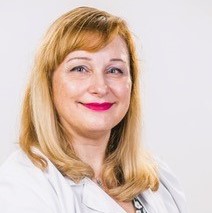
University Ss Cyril and Methodius, North Macedonia

Associate Professor Nicola Hancock
University of East Anglia, UK
08:55 - 09:45
Life after stroke in Sweden
T1 / T2
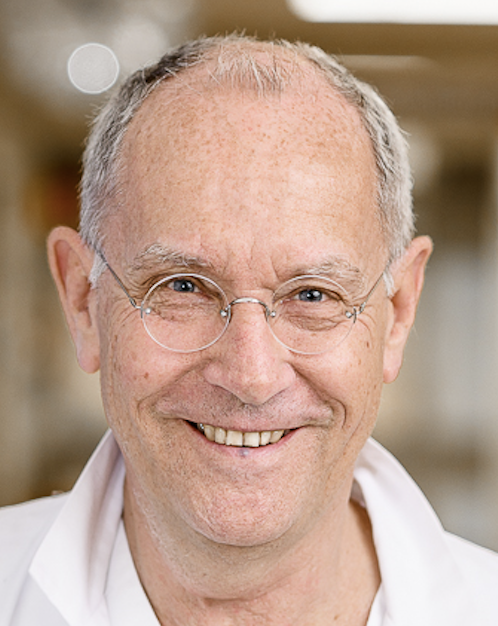
Chair: Professor Bo Norrving
Lund University, Sweden
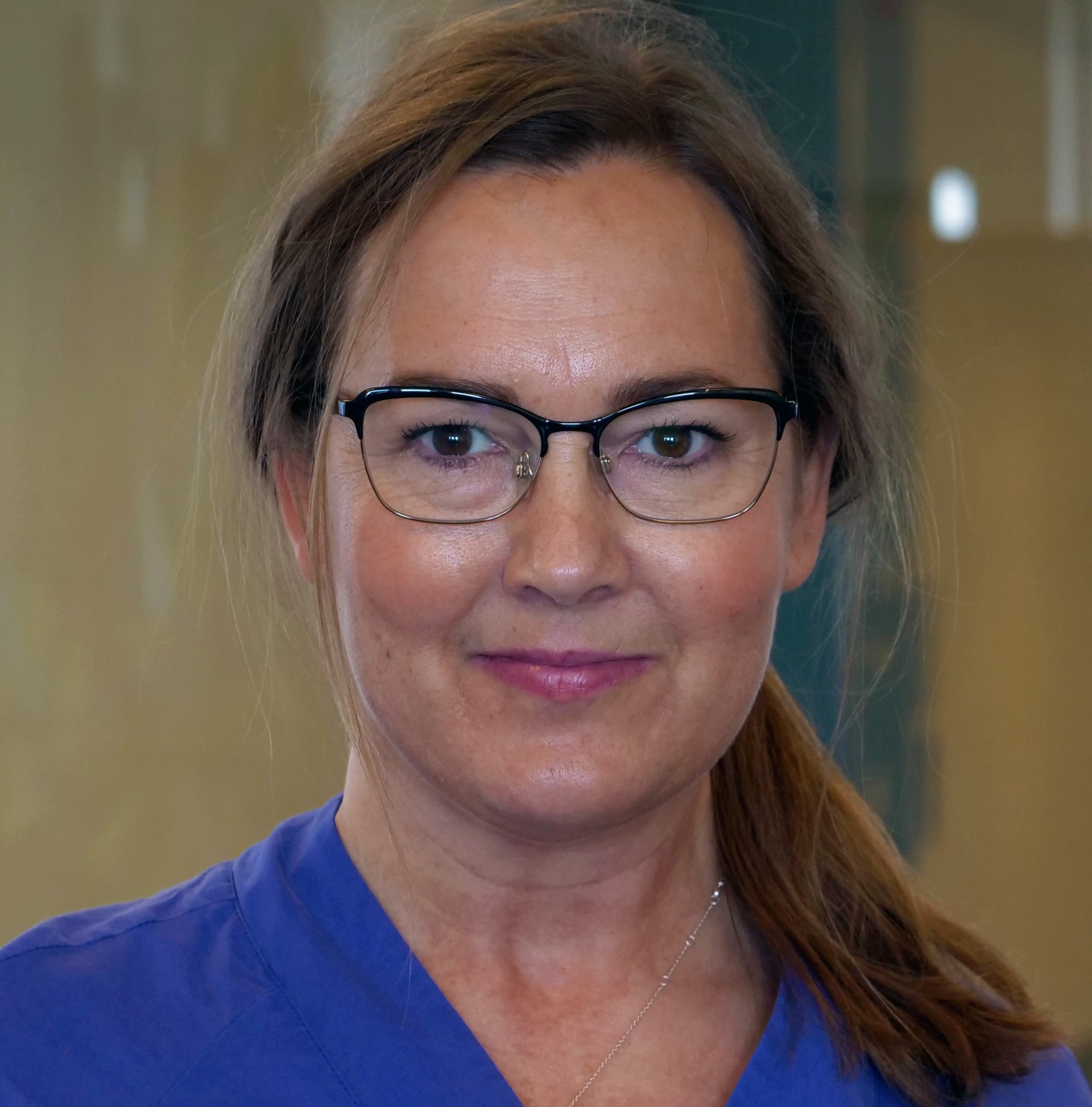
Chair: Associate Professor Carina Persson
University of Gothenburg, Sweden
The Swedish model of life after stroke care: Organisational success factors
Lund University, Sweden
Monitoring life after stroke in Sweden
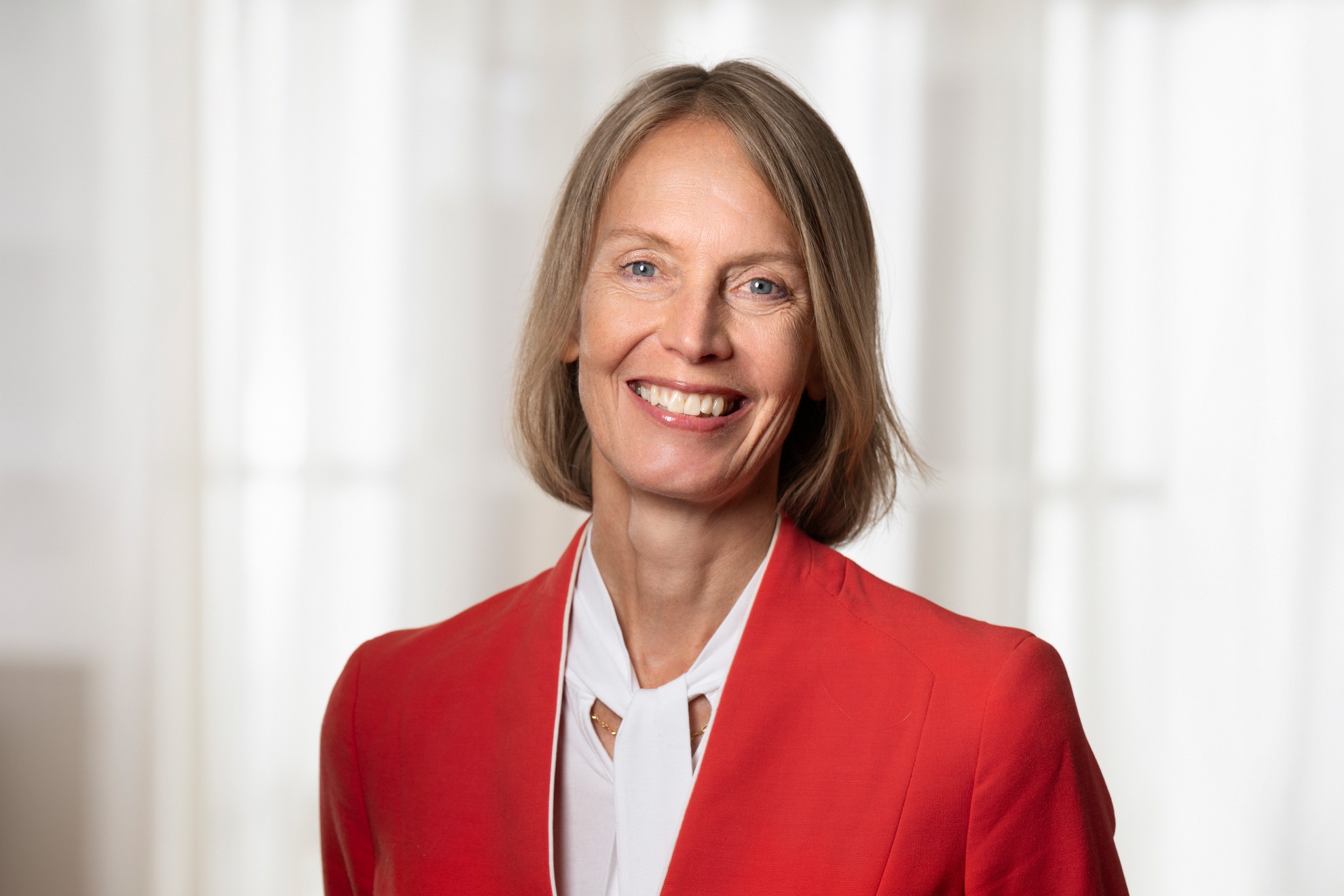
President of Sophiahemmet University and chairs the Swedish Stroke Registry, Riksstroke, Sweden
Champions or dedicated advocates
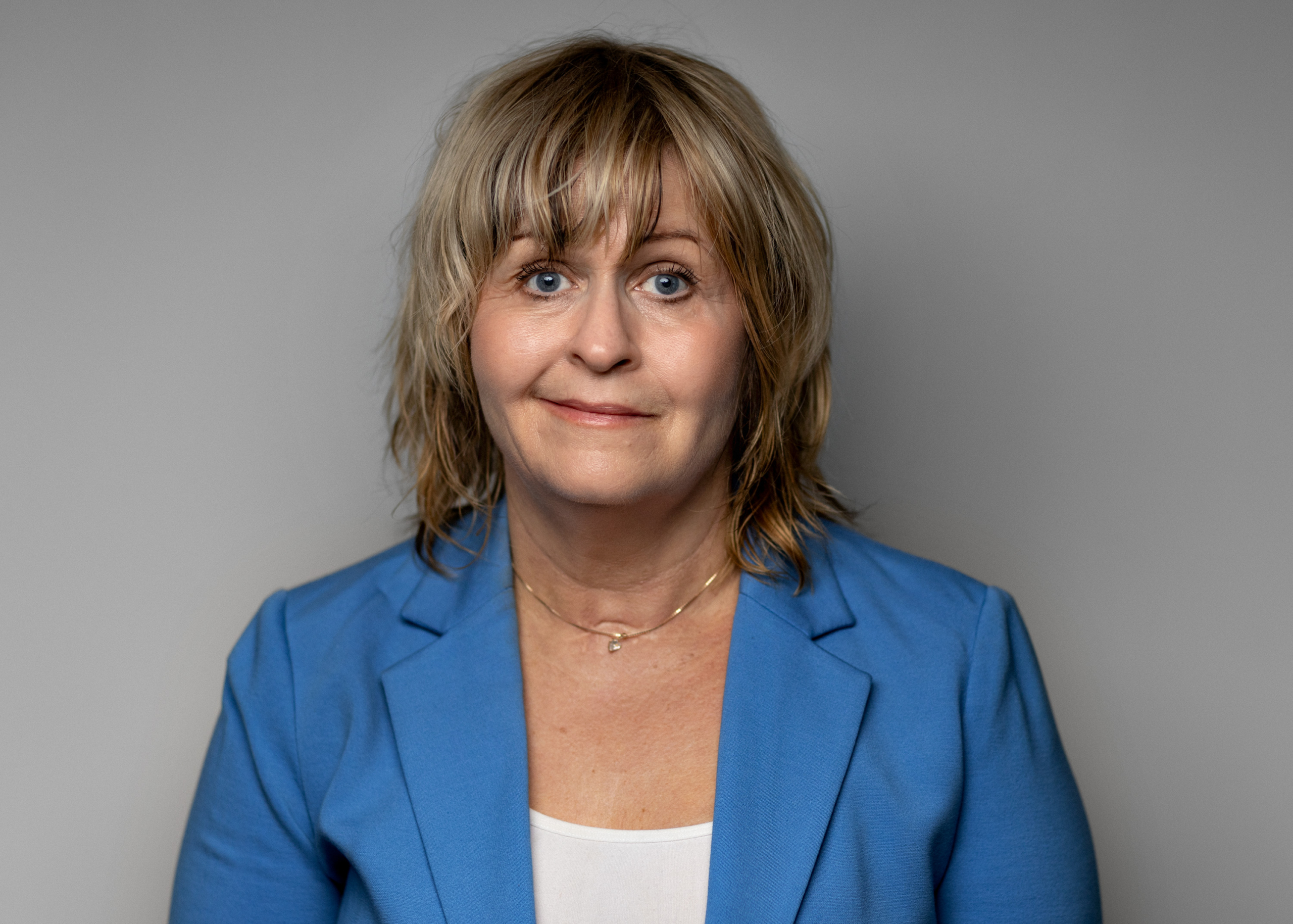
Stroke Survivor, Sweden
Speak to the patient: Counselling support and regular follow-up questions will accelerate the recovery
Stroke survivor, Sweden
Q&A
09:45 - 11:00
Plenary: Life after stroke - What does it actually mean?
T1 / T2
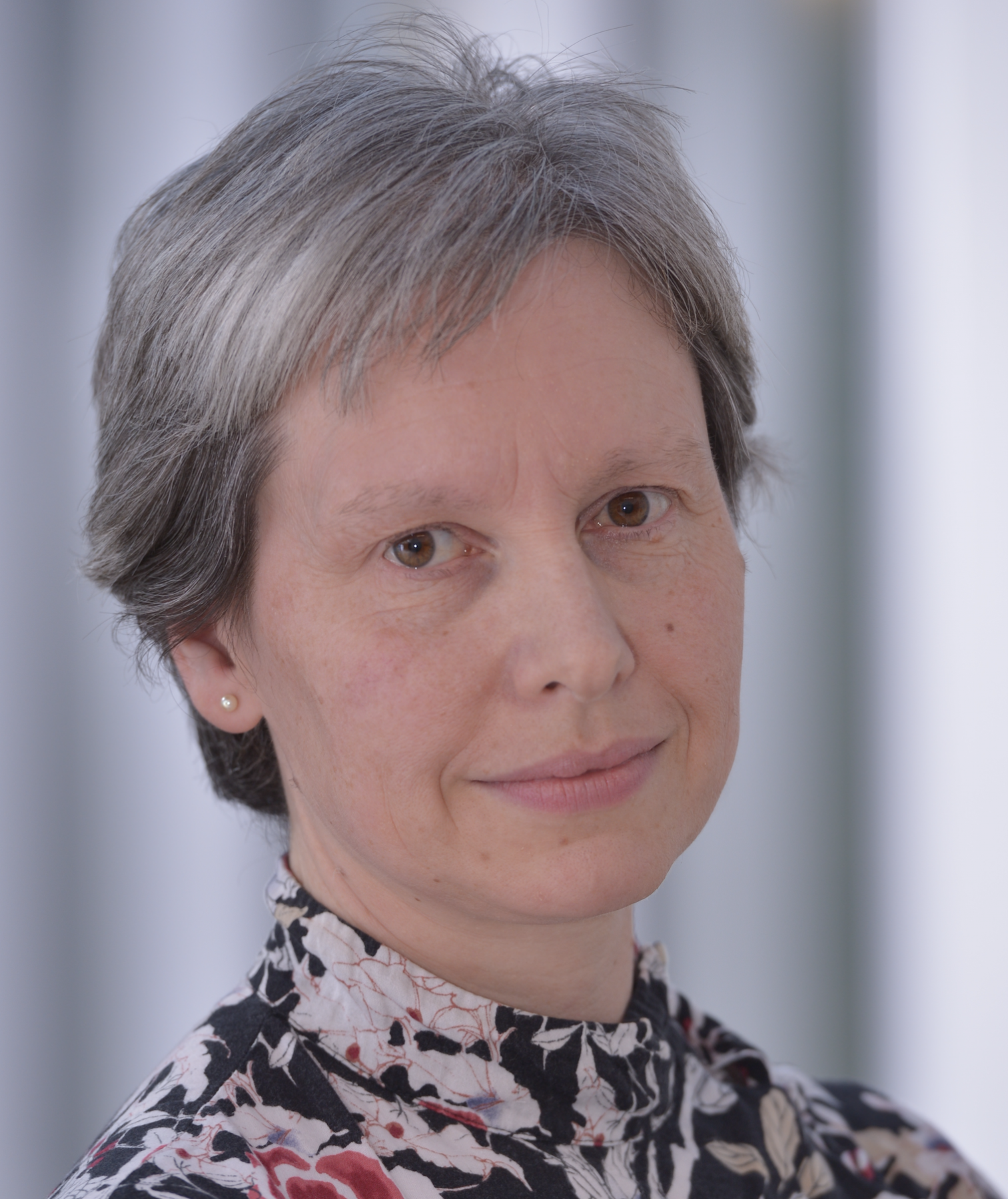
Chair: Professor Frances Horgan
RCSI University of Medicine and Health Sciences, Ireland
Chair: Professor Bo Norrving
Lund University, Sweden

Chair: Associate Professor Olive Lennon
National Rehabilitation Hospital, Ireland
Update on the Stroke Action Plan for Europe's Life After Stroke Pillar
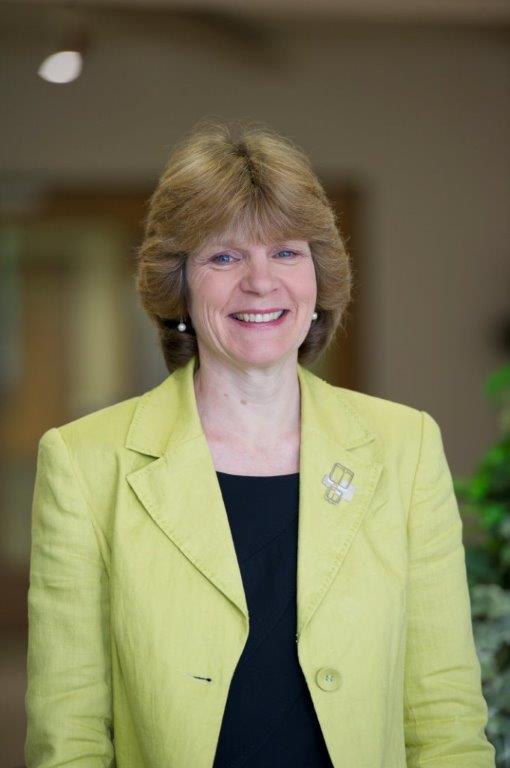
Professor of Healthcare Research, Loughborough University, UK
Life after stroke - what do we mean and how can we support it better?
Associate Professor Olive Lennon
Academic Lead, The National Rehabilitation Hospital, Ireland
Working together to co-design a life after stroke support pathway
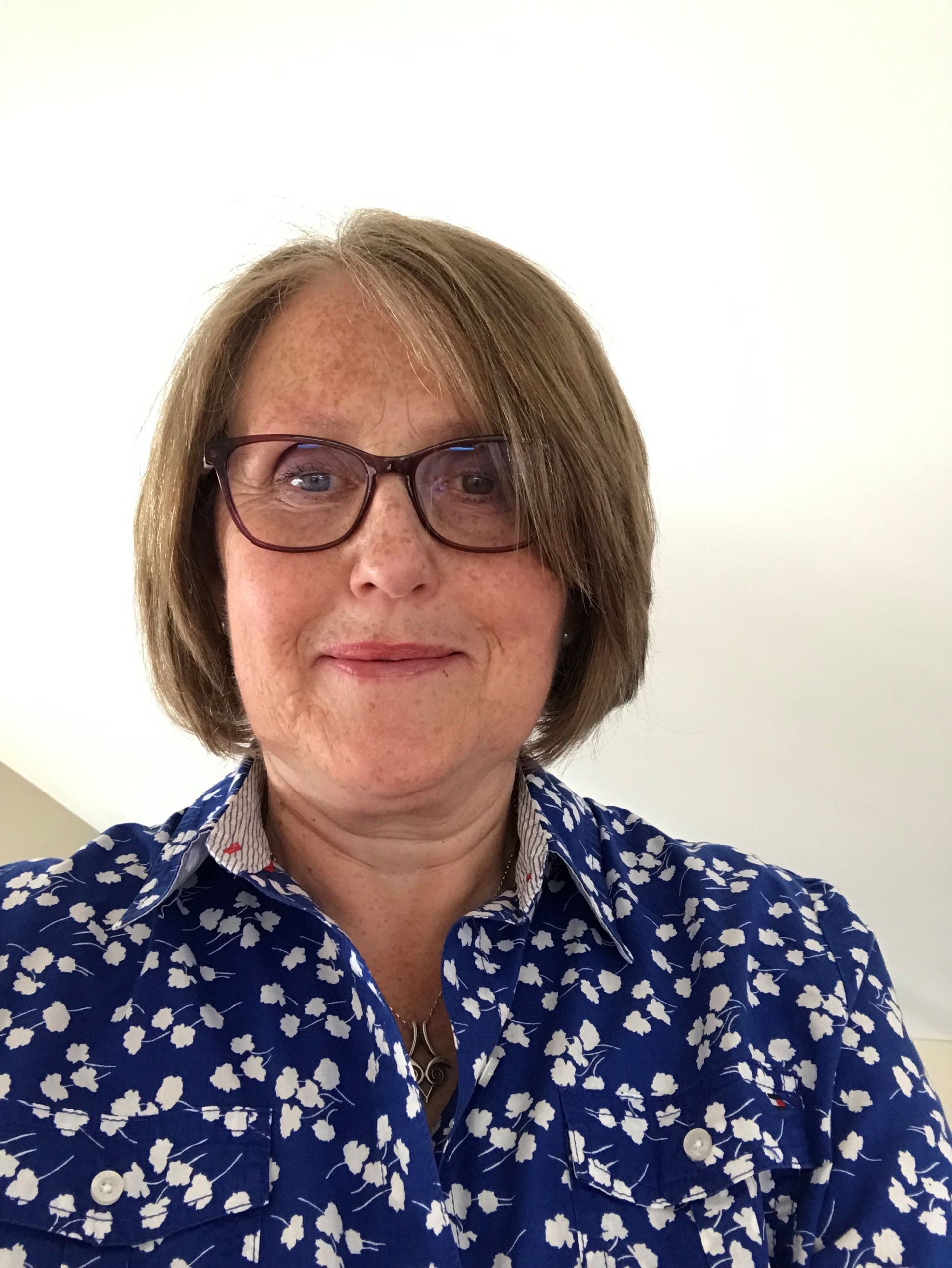
Post-Doctoral Researcher, RCSI Faculty of Nursing and Midwifery, Ireland
Taking back control by degrees - My life after stroke journey
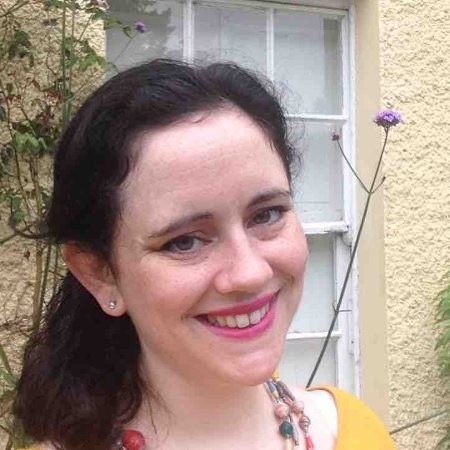
Stroke Survivor, Ireland
11:00 - 11:45
REFRESHMENTS, EXHIBITION & POSTER VIEWING
Foyer
11:45 - 12:45
Parallel: Fatigue in life after stroke - Research insights and real-world journeys
T1 / T2

Chair: Dr Jennifer Crow
Imperial College London, UK
Chair: Professor Avril Drummond
Loughborough University, UK
Recommendations from the International 3rd Stroke Recovery and Rehabilitation Roundtable: A roadmap for research in post-stroke fatigue
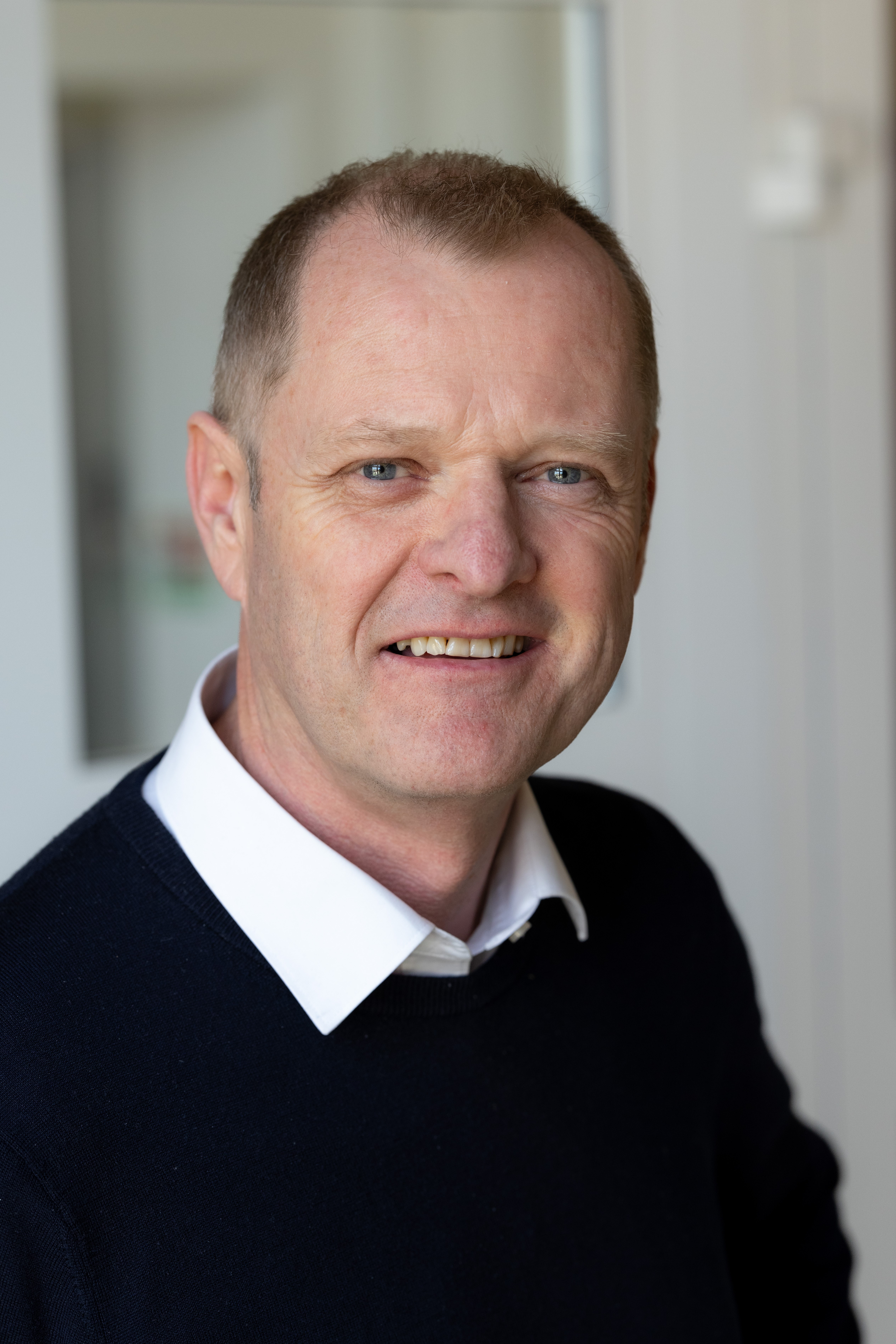
Faculty of Health Sciences, University of Oslo, Norway
Co-designing and testing a management programme with peer support for post-stroke fatigue: Nottingham fatigue after stroke study (NotFAST3)
Professor of Healthcare Research, Loughborough University, UK
Holding on to Progress: Fatigue, work and what really matters after stroke
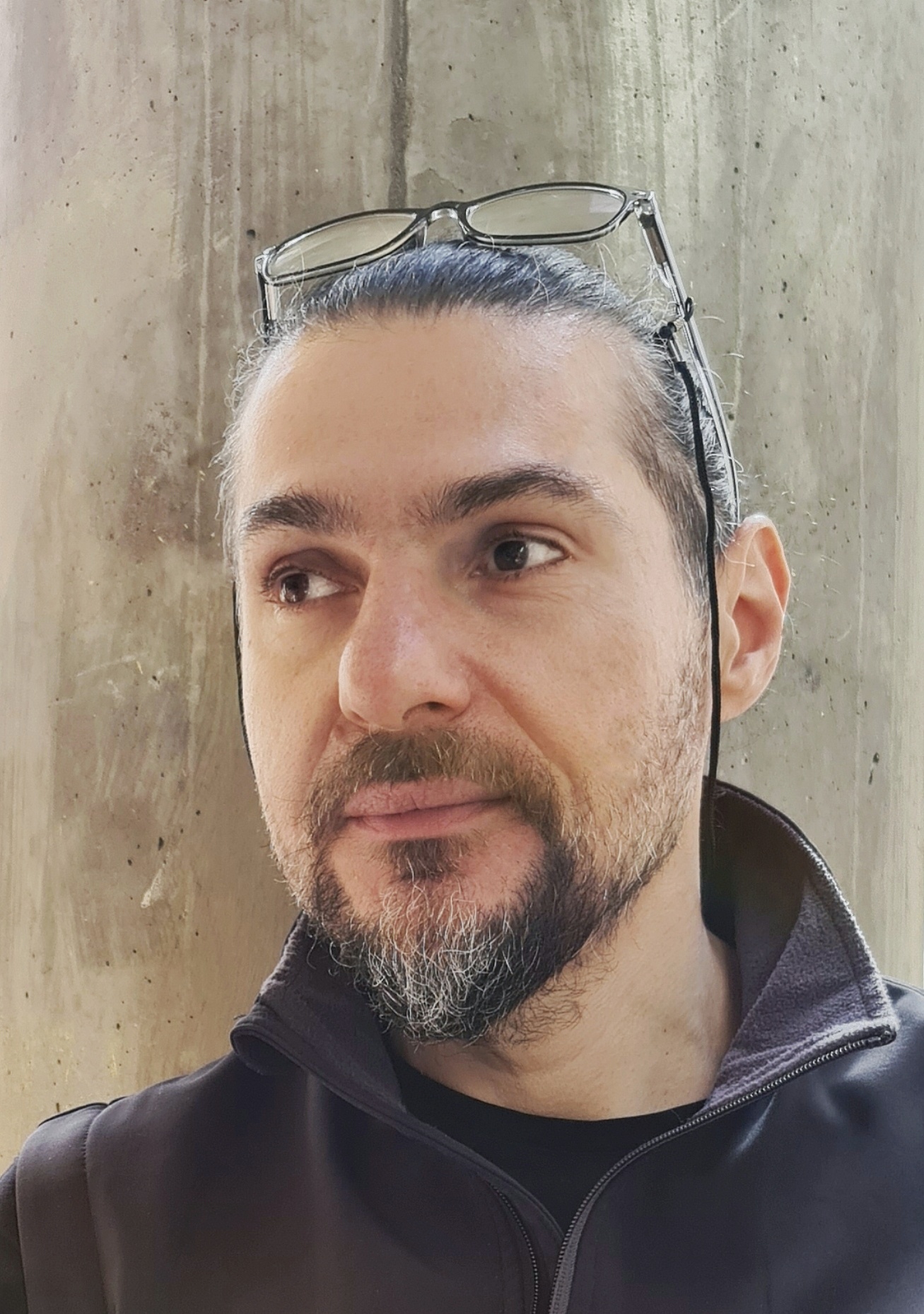
Lived Experience, UK
Q&A
11:45 - 12:45
Parallel: The same, but different - implementation of an evidence-based approach to supporting self-management (Bridges) across 4 European nations
T5
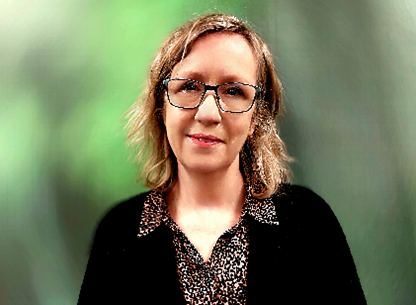
Chair: Professor Fiona Jones
City St George’s, University of London, UK
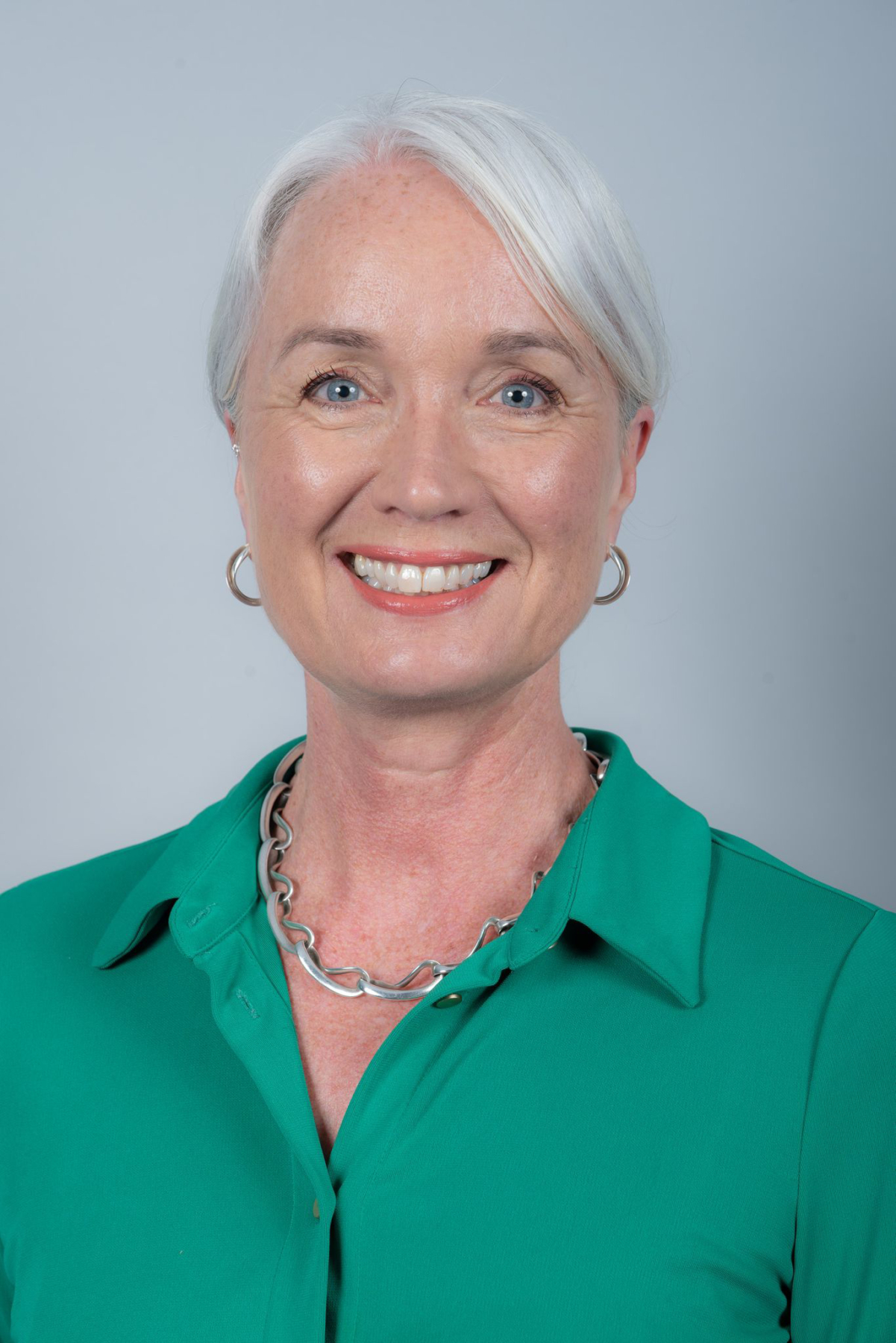
Chair: Associate Professor Nicola Hancock
University of East Anglia, UK
Key evidence and principles in relation to self-management support in stroke services
Professor of Rehabilitation Research at City St George’s, University of London, UK
Same but different: A comparison of successful self-management support in Estonia, UK, Portugal and Sweden
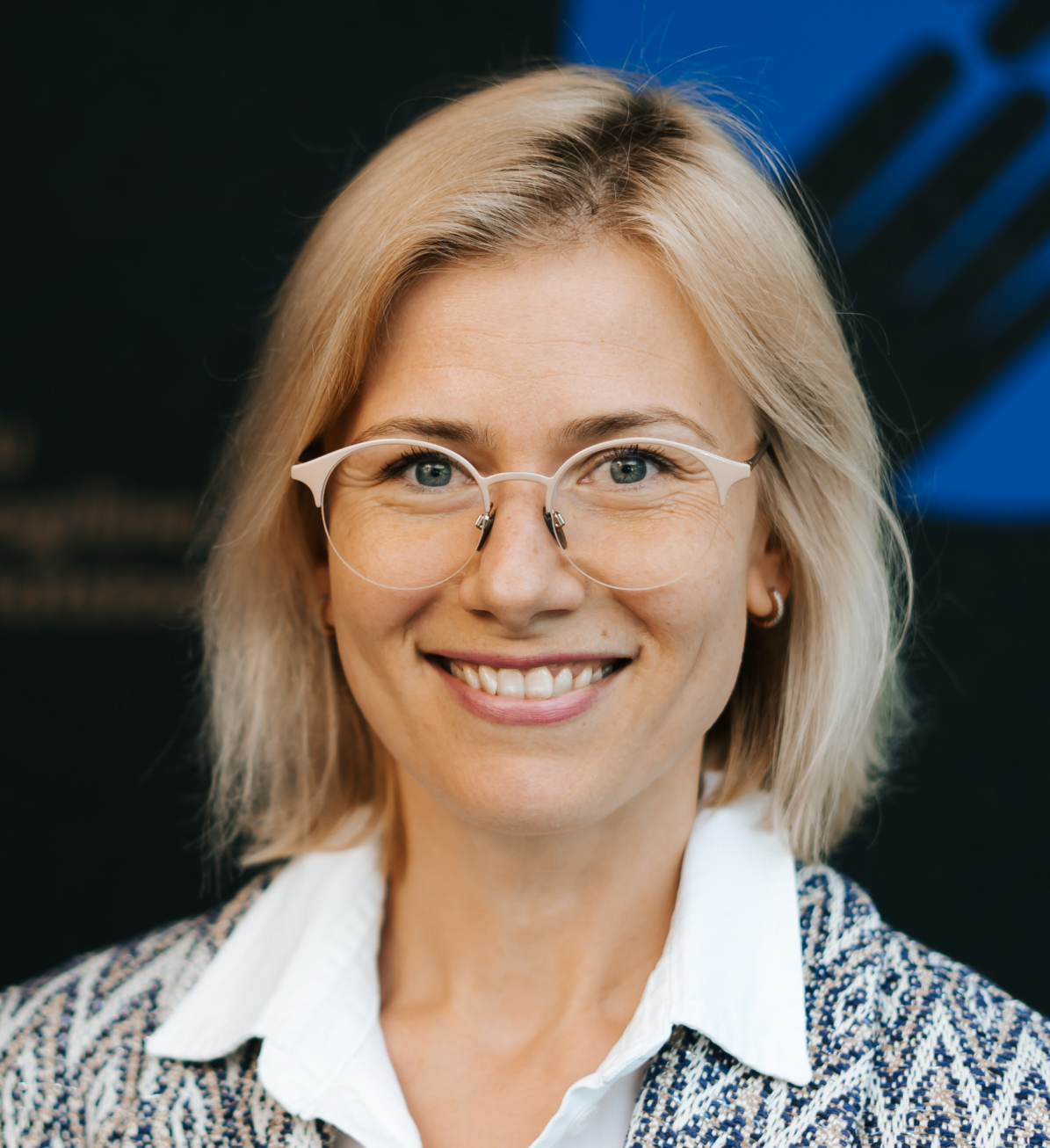
Physiotherapist, Haapsalu Neurological Rehabilitation Centre (HNRC), Estonia
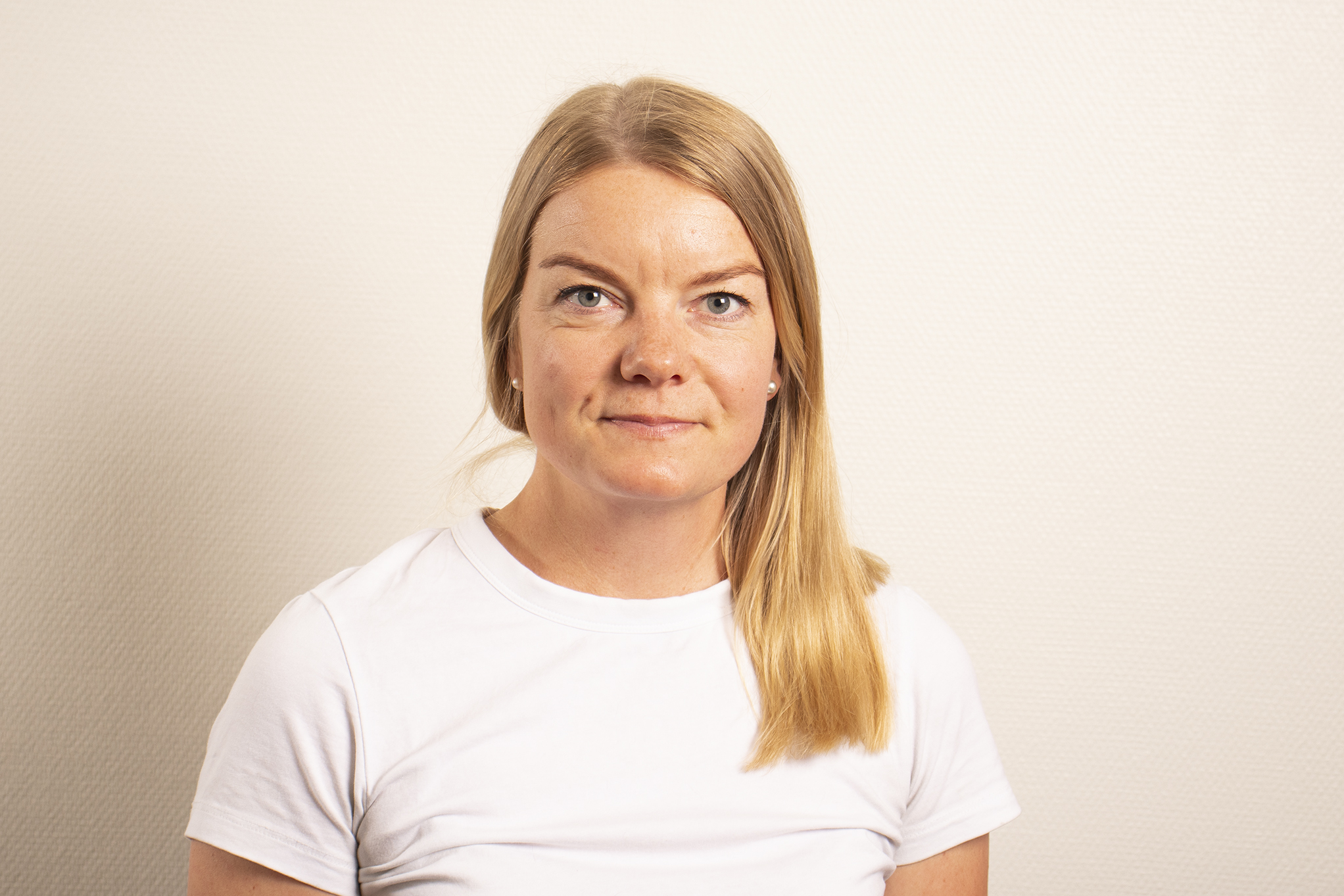
Physiotherapist and PHD student, Dalarna University, Sweden
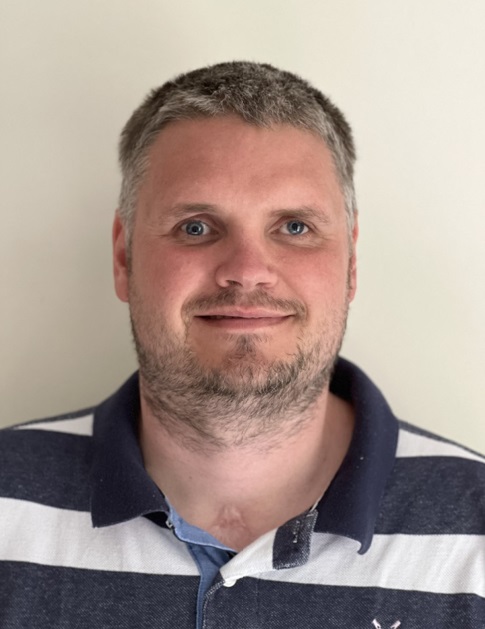
Co-production and quality manager Bridges Self-Management and stroke survivor, UK
The power of collective expertise
Professor of Rehabilitation Research at City St George’s, University of London, UK
Physiotherapist, Haapsalu Neurological Rehabilitation Centre (HNRC), Estonia
Co-production and quality manager Bridges Self-Management and stroke survivor, UK
11:45 - 12:45
Parallel: Understanding the mind after stroke - How thinking and emotions shape daily life after stroke
T6
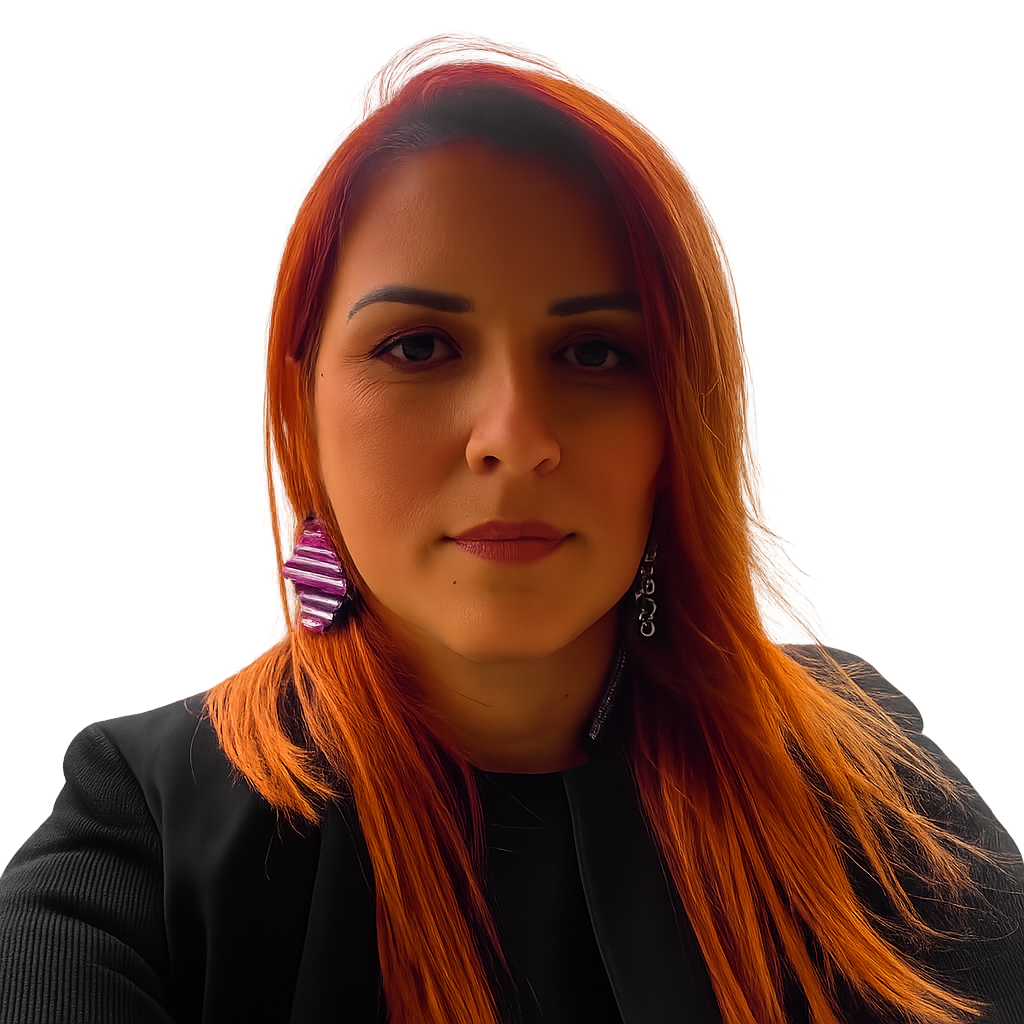
Chair: Dr Anna Tsiakiri
Neuropsychologist, Greece

Chair: Dr Dagmar Souckova
Na Homolce Hospital, Czech Republic
Thinking, memory and emotions after stroke: What to expect
Neuropsychologist, Democritus University of Thrace, Greece
Brain tools that guide your recovery: Scans and stimulation
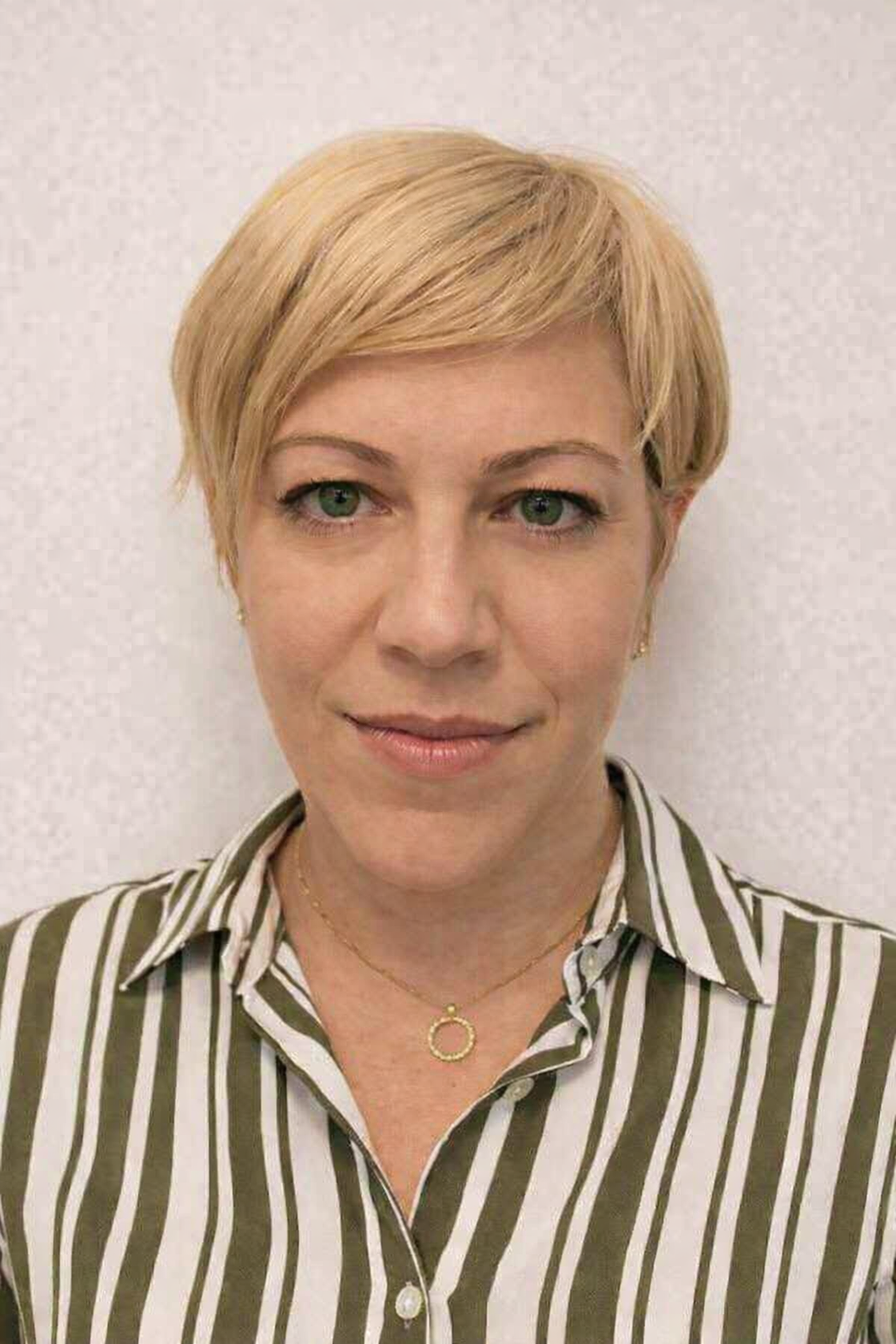
Assistant Professor Foteini Christidi
National and Kapodistrian University of Athens (NKUA), Greece
Neurologist, Department of Neurology of the University Hospital of Alexandroupolis, Greece
Real stories: Living with brain changes after stroke
Carer
12:45 - 14:30
LUNCH, EXHIBITION & POSTER VIEWING
Main hall
14:30 - 15:45
Plenary: A good life after stroke - The contribution of the physical environment
T1 / T2
Chair: Professor Marie Elf
Dalarna University, Sweden
Chair: Professor Fiona Jones
City St George’s, University of London, UK
Stroke, environment and participation: Why place matters

Professor of Nursing, Dalarna University, Sweden
Associate Professor Maya Kylén
Associate Professor in Health Science, Kristianstad and Lund University, Sweden
Place Mapping: A Participatory Tool to Explore Meaningful Environments Post-Stroke
Postdoc researcher University of Groningen Faculty of Spatial Sciences: Department of Demography, Holland
If you can’t use the environment, Is It recovery?

Stroke Survivor, Norway
Assistant Professor Tony Svensson
Assistant Professor Civil Planning and Construction, Dalarna University, Sweden
Q&A
15:45 - 16:15
REFRESHMENTS, EXHIBITION & POSTER VIEWING
Foyer
16:15 - 17:45
Workshop: From Experience To Expertise: Survivor-led models that strengthen stroke research, policy, treatment and care (By invitation)
This interactive workshop explores how survivor-led models can strengthen stroke pathways across research, policy, treatment and care, moving beyond involvement toward shared, intentional leadership. Through structured discussion and practical tools, participants will examine what survivor leadership looks like in stroke and other NCDs, and to consider how to build systems where lived experience is embedded rather than symbolic.
T5
Chair: Stacie Broek
Public Advocate, Person with Lived Experience, Switzerland
Chair: Christina Franzisket
German Stroke Foundation, Germany
International Lead, Stroke Association, UK
Clinical Specialist Occupational Therapist, Imperial College London, UK
Professor of Nursing, Dalarna University, Sweden
Stroke Survivor, Norway
San Camillo Forlanini Hospital, Italy
Stroke survivor and Patient advocate, UK

Stroke survivor, Portugal

Associate Professor Melinda B. Roaldsen
MD and stroke expert with lived experience, Arctic University of Norway, Norway
16:15 - 17:15
Parallel: Empowering people living with aphasia: sharing learning through community groups
T1 / T2
Chair: Hysse Forchammer
Danish Stroke Association, Denmark
Chair: Sabine Renner Christiansen
Stroke survivor
Online Aphasia Café: A springboard for creating stroke survivor-led aphasia communities
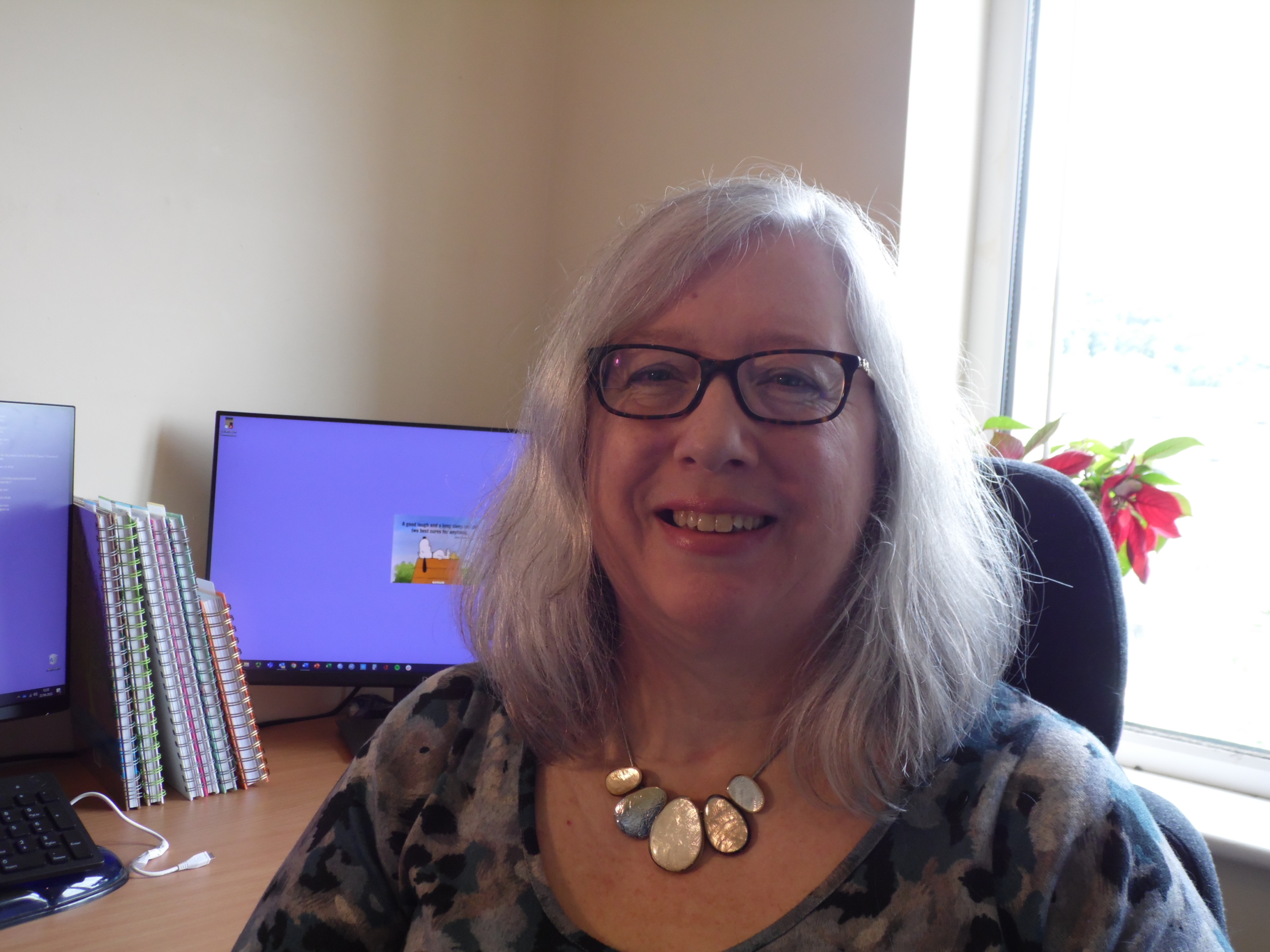
Associate Professor Helen Kelly
University College Cork, Ireland
The Aphasia Communication Team (TACT) – A supportive, motivational, practical andeducational community for people with aphasia

Clinical Lecturer, Cyprus University of Technology, Cyprus
Online aphasia groups for people with aphasia – from a temporary Covid-19 initiative to a sustainable community
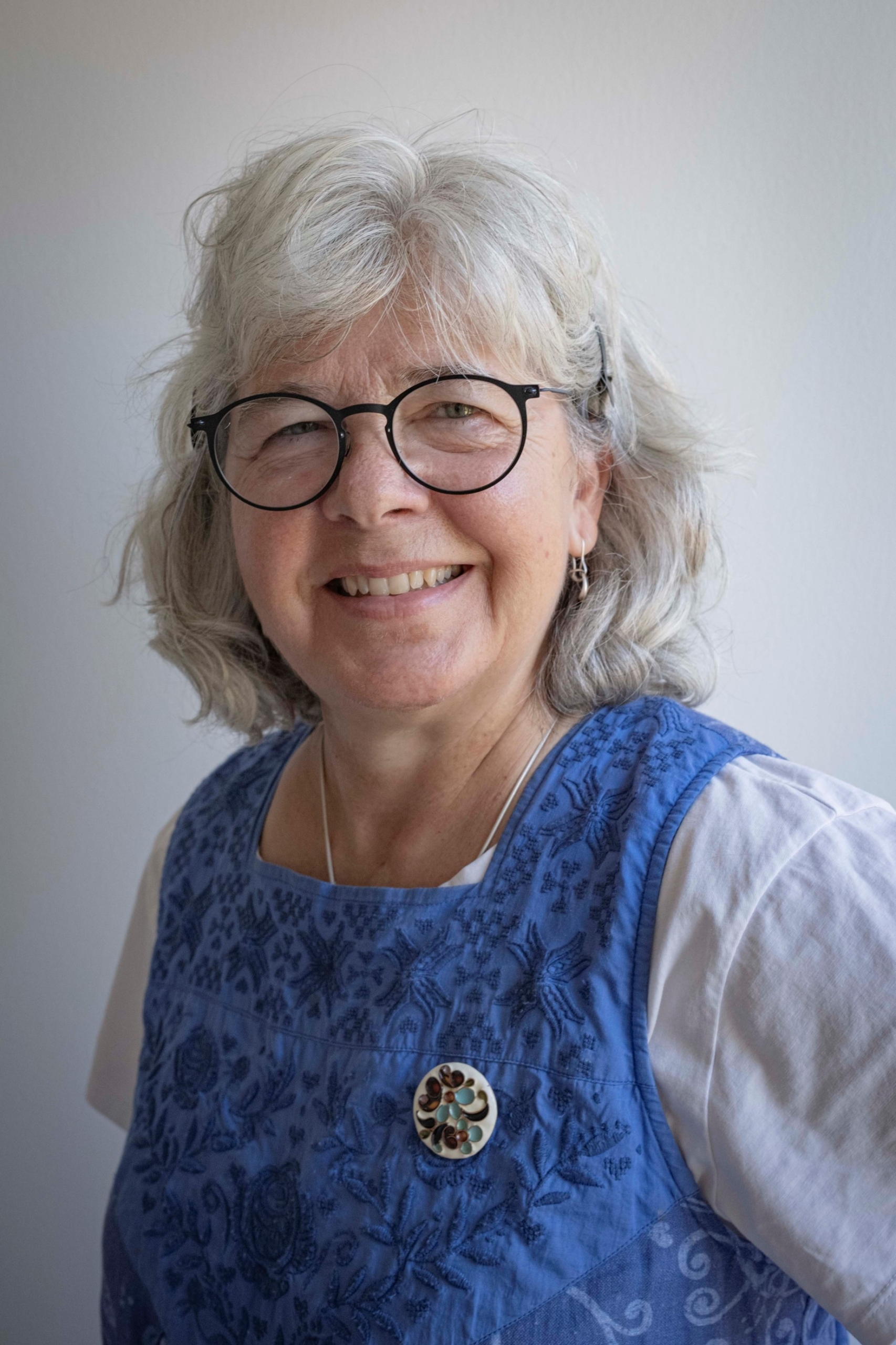
Stroke survivor, Denmark
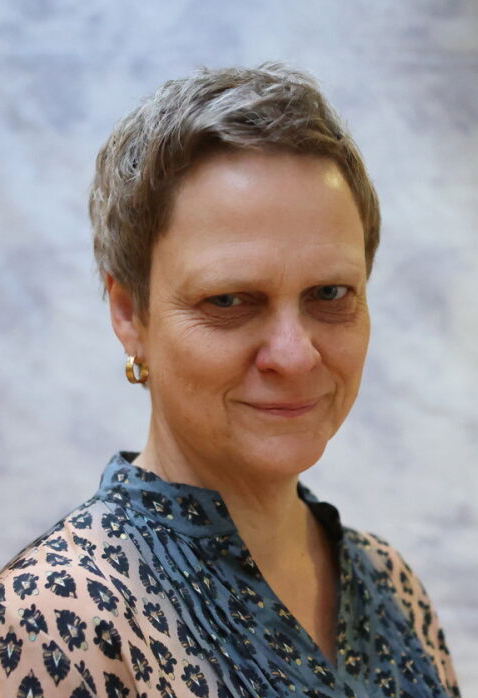
Associate Professor Jytte Isaksen
Department of Culture and Language, University of Southern Denmark, Odense, Denmark
Peer-to-peer support: digital networking to improve participation and quality of life in people with aphasia
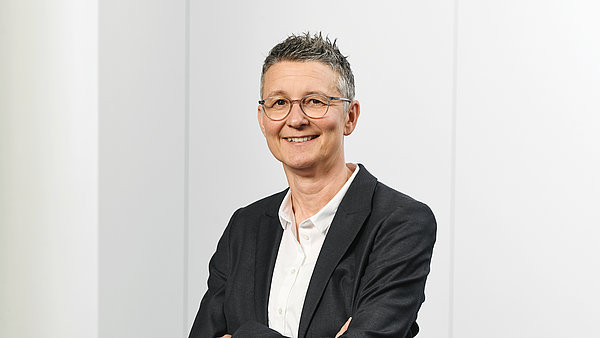
Chair of Therapy and Rehabilitation Sciences (Speech Therapy), Catholic University of Applied Sciences, Germany
Q&A
16:15 - 17:15
Parallel: Making secondary prevention work - Empowering people beyond hospital walls
T6
Chair: Associate Professor Olive Lennon
National Rehabilitation Hospital, Ireland
Chair: Professor Anita Arsovska
University Ss Cyril and Methodius, North Macedonia
Risk factors and secondary prevention in younger people with stroke- are we asking the right questions?
PHD Student
Living with stroke: what does prevention really look and feel like after discharge?
Stroke survivor and educator, Spain
Working collaboratively with a Stroke Support Organisation to implement a co-designed, evidence-based stroke secondary prevention intervention.
PHD Researcher, School of Allied Health, University of Limerick
Q&A
19:00 - 21:00
WELCOME RECEPTION
Foyer
Reframing the future
Tuesday 10 March 2026 Stockholmsmässan, Stockholm
09:00 - 10:15
Plenary: Addressing health inequalities in stroke care across Europe
T1 / T2
Chair: Dr Dagmar Součková
Na Homolce Hospital, Czech Republic
Chair: Dr Jo White
UWE Bristol, UK
Who gets stroke rehabilitation? Utilization, access and decision-making
PhD Student, Faculty of Medicine at Lund University, Sweden
The inclusivity in stroke self-management support project to improve self - management by Black African and Afro-Caribbean communities living with stroke in England
Senior Research Fellow UWE Bristol, UK
The importance of co-designing resources to improve self-management by Black African and Afro-Carribean communities living with stroke
Stroke survivor
Carer
A pathway to addressing health inequalities in Kyrgyzstan
San Camillo Forlanini Hospital, Italy
10:30 - 11:30
Parallel: The impact on families of children affected by stroke
T5
Chair: Katherine Staley
Stroke Association, UK
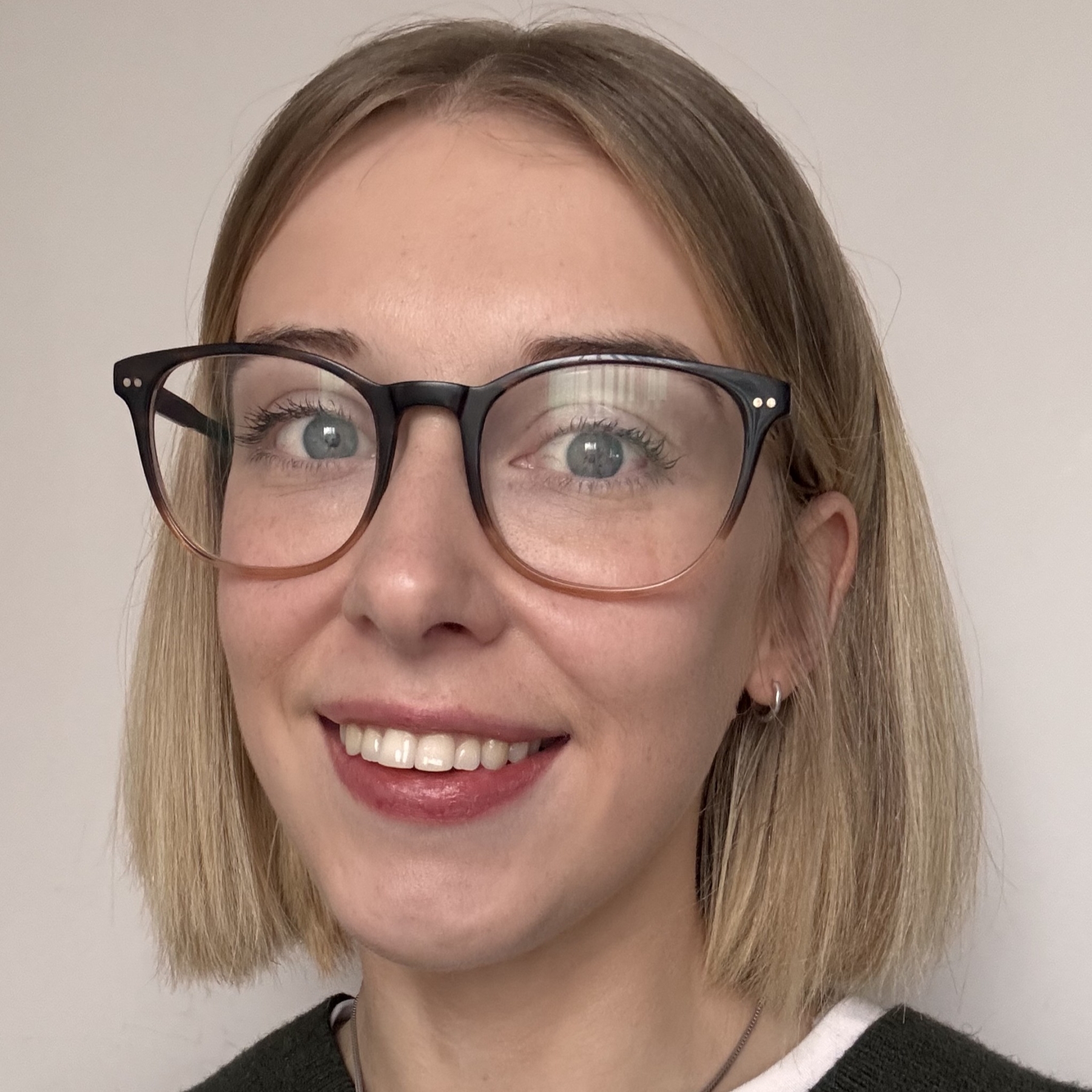
Chair: Abi Bisset
Stroke Association, UK
My childhood stroke – lived experience: Story of a family whose child was affected by stroke, from a young adult and parent perspective including what helped them on their recovery journey
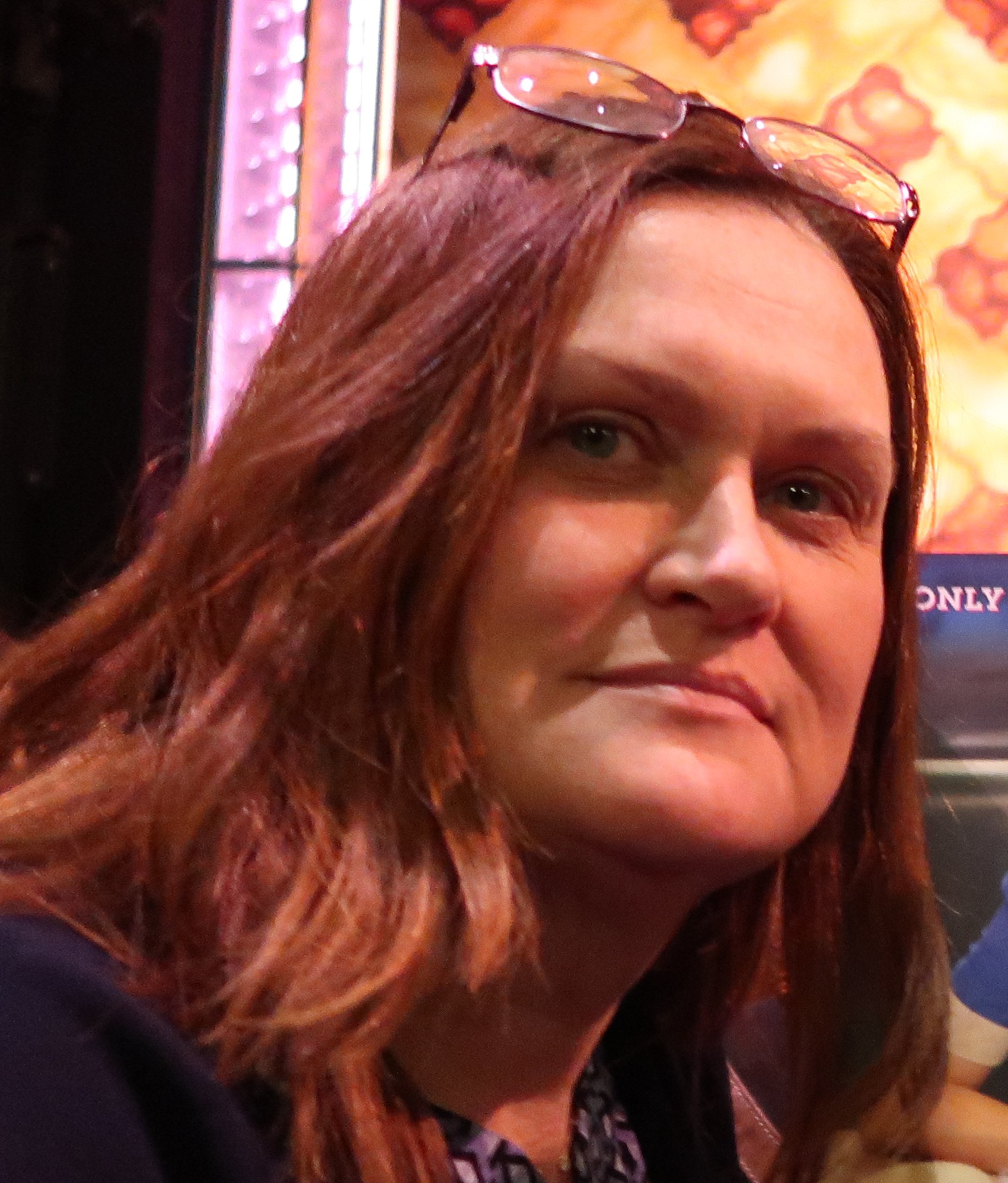
Carer, UK
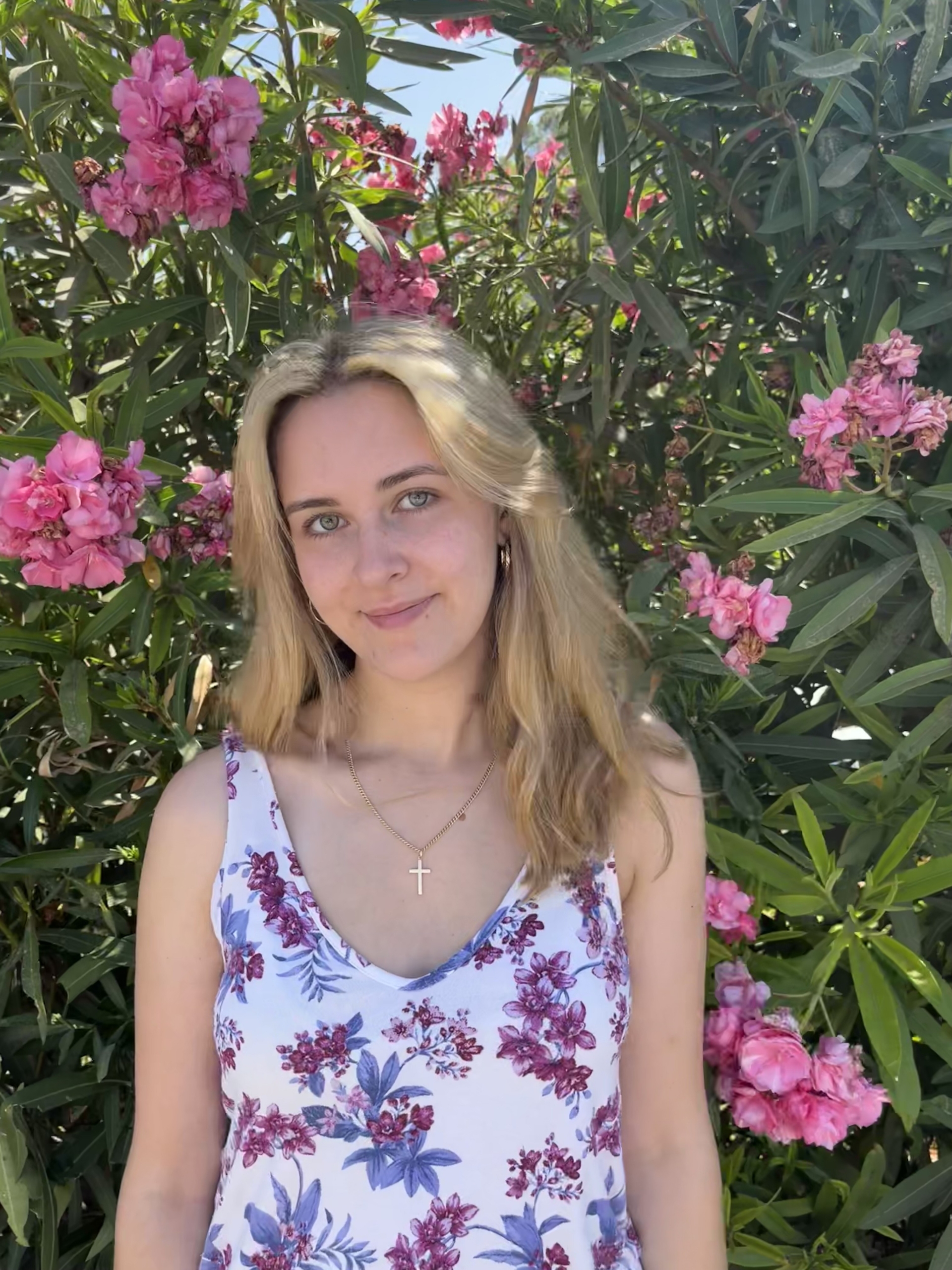
Stroke survivor, UK
Clinical perspective of childhood stroke: Presentation of data on the neuropsychological impact of childhood stroke, including the unique challenges faced by families and children seen from a clinical perspective
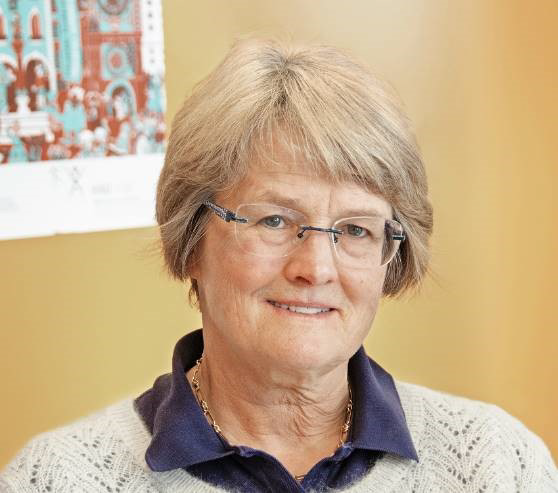
Professor for Paediatric Neurology, University Hospital of Bern, Switzerland
Better together: A co-creating journey developing patient information and a community platform
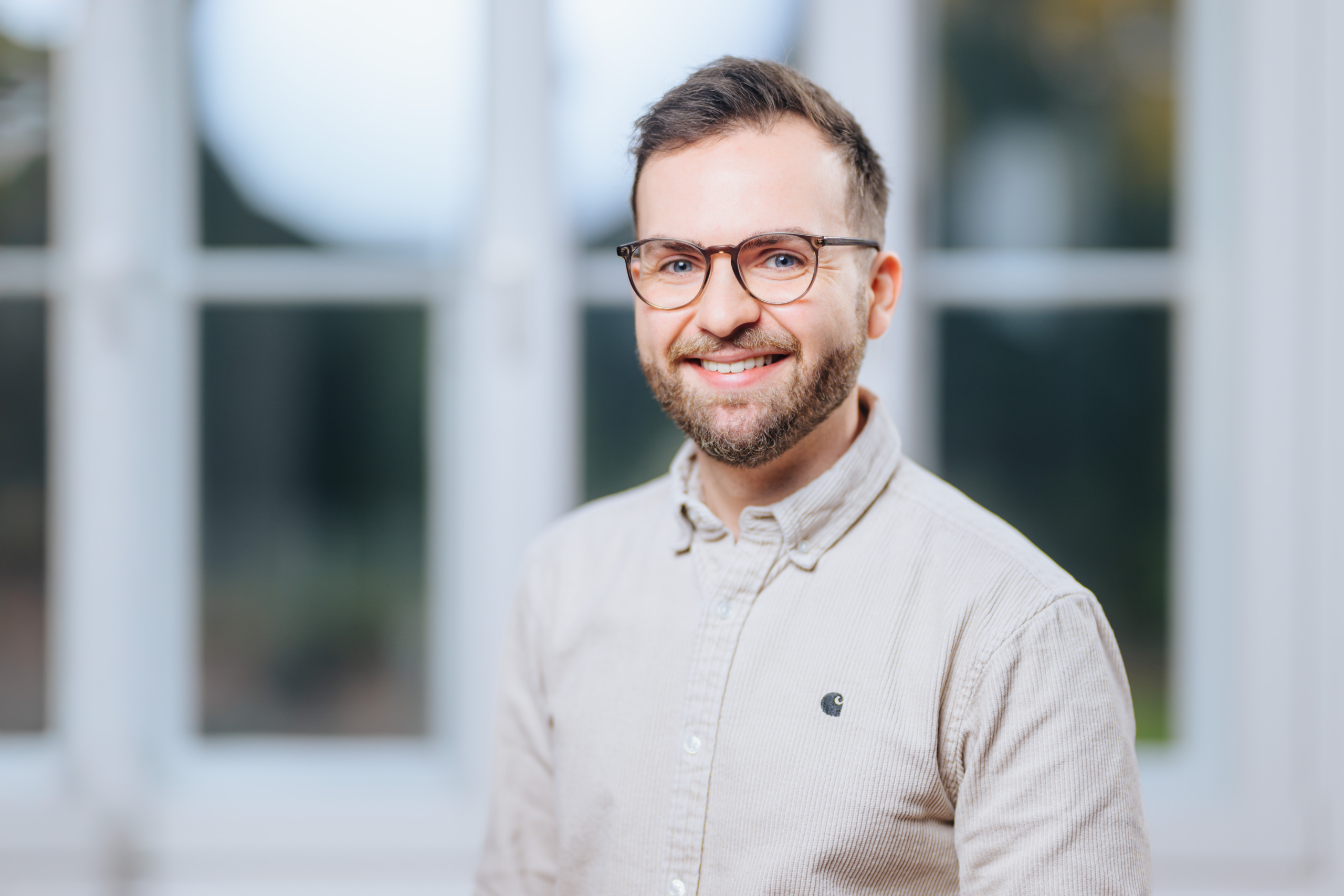
Project Manager, German Stroke Foundation, Germany
10:30 - 11:30
Parallel: Is six months post-stroke the end of rehabilitation? Challenging limited thinking to maximise potential
T1 / T2
Chair: Stacie Broek
Public Advocate, Person with Lived Experience, Switzerland
Chair: Jennifer Crow
Imperial College London, UK
Is six months post-stroke the end? Challenging limits to maximise neurological potential beyond this.
Associate Professor Melinda B. Roaldsen
MD and stroke expert with lived experience, Arctic University of Norway, Norway
Optimising physical recovery when back at home
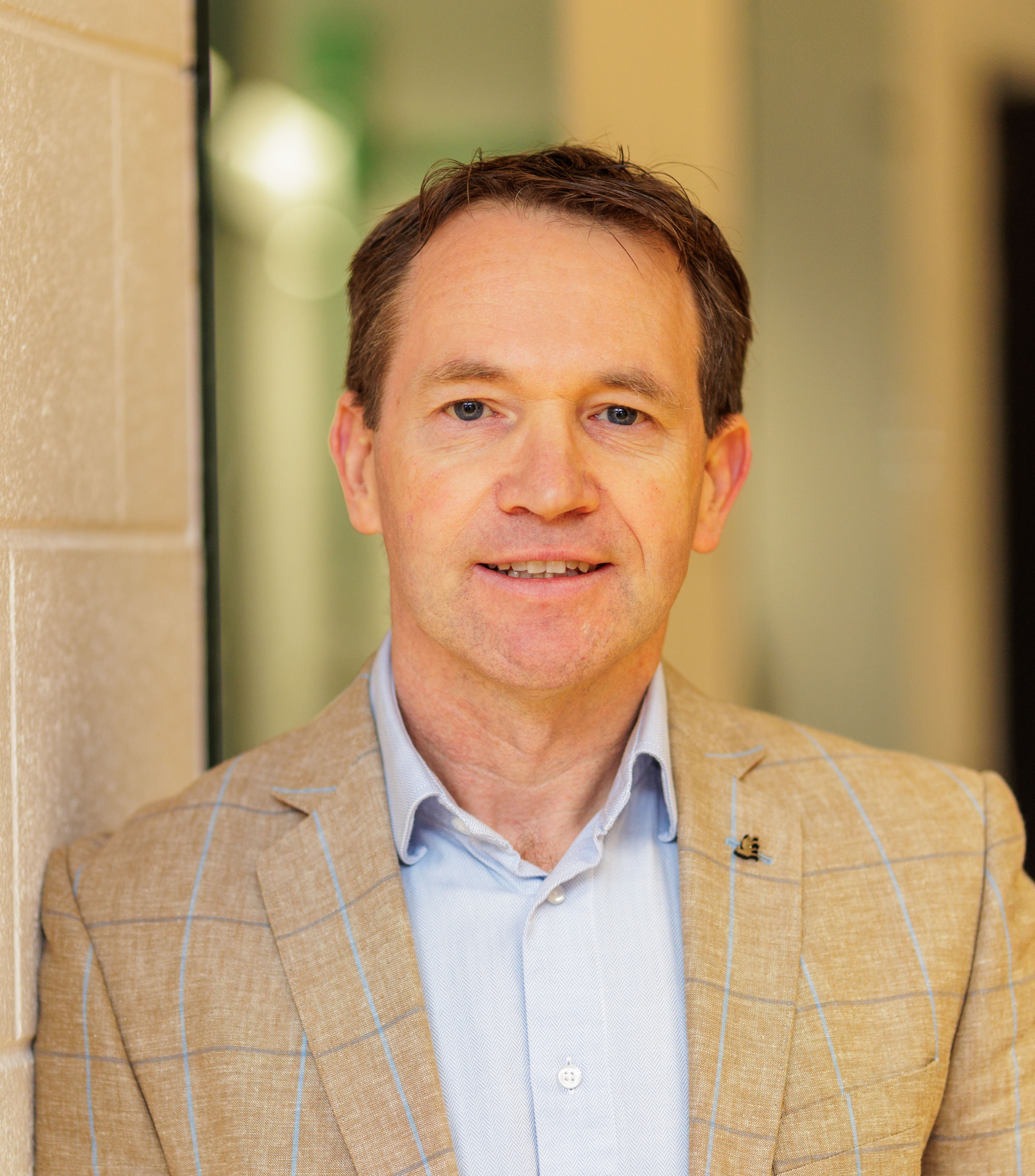
Lecturer in Health Science at ATU Sligo and Director of ‘Neuroplasticity Research Group’, Ireland
Investigating changes in quality of life after high-dose, high intensity upper limb rehabilitation in people later after stroke

Highly Specialist Neurorehabilitation Physiotherapist, UCL, UK
10:30 - 11:30
Parallel: Top scoring lived experience, scientific and service abstracts
T6
Chair: Dr Marina Charalambous
Cyprus University of Technology, Cyprus
Chair: Diana Wong Ramos
Stroke survivor, Portugal
Lived experience: Falling off a cliff - How getting involved helped the climb back to a full life!
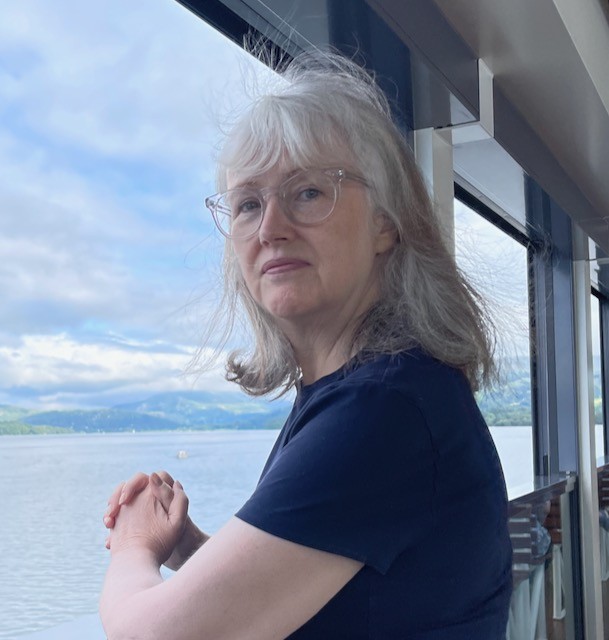
Lived Experience, UK
Lived experience: Finding my voice again - Turning silence into strength
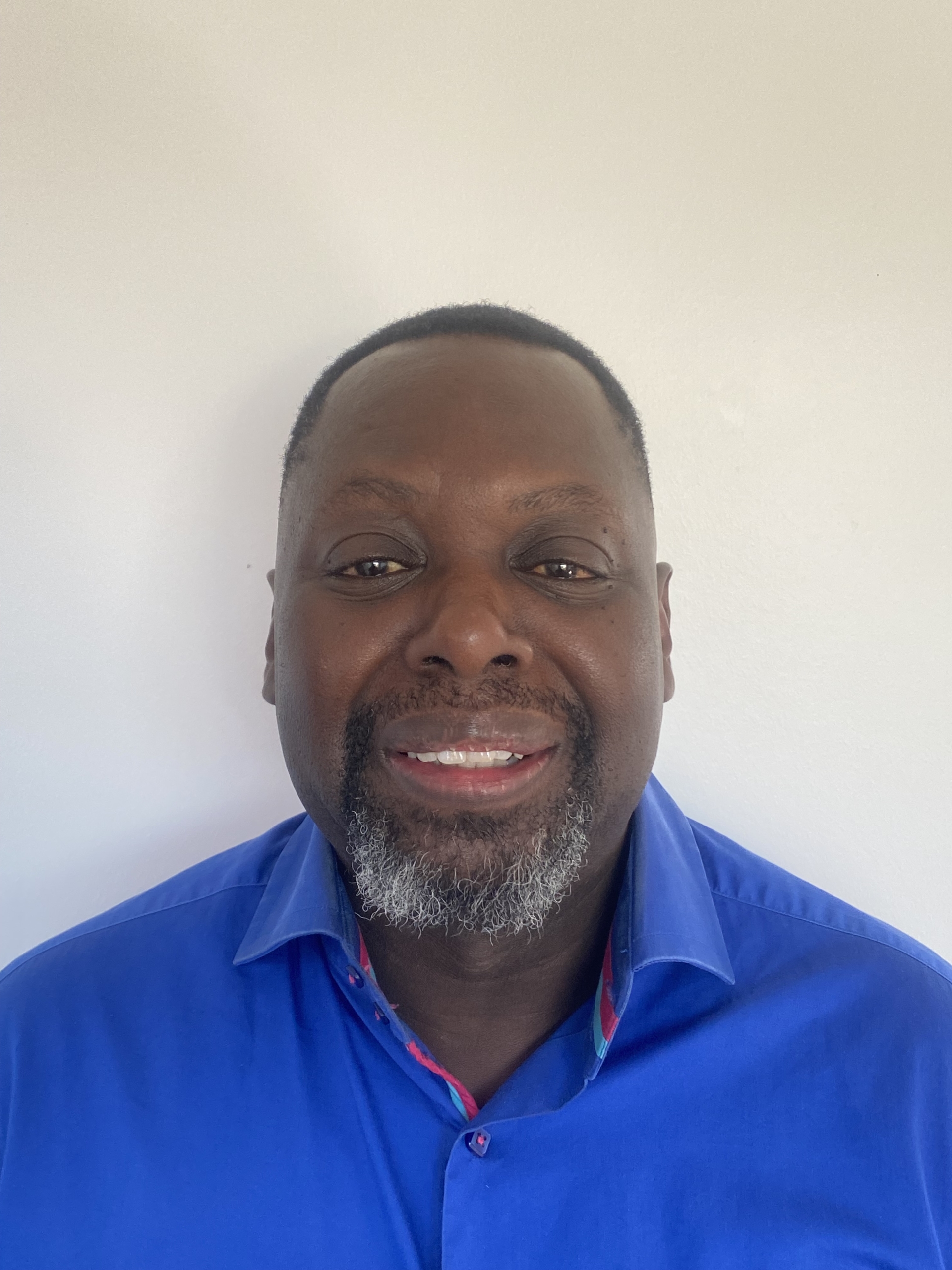
Stroke survivor, UK
Scientific: Effectiveness of abobotulinumtoxin A in stroke survivors with lower limb spasticity
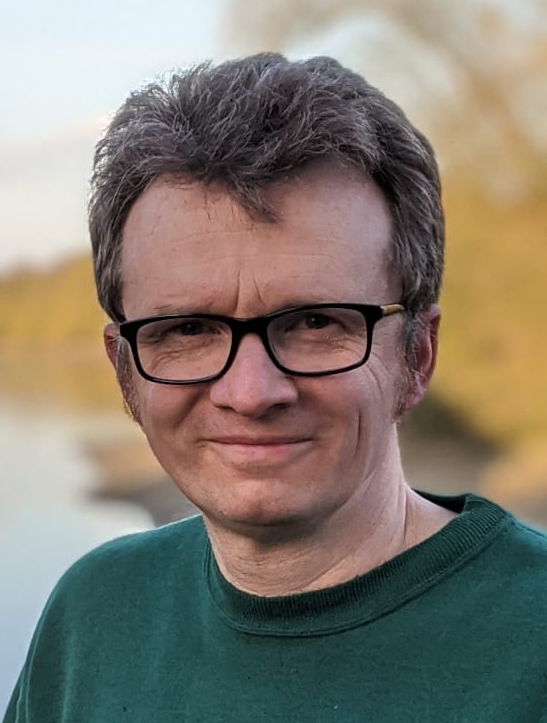
Associate Professor Stephen Ashford
Northwick Park Hospital, United Kingdom
Scientific: From voices to action: A women-centred toolkit for parenting after stroke
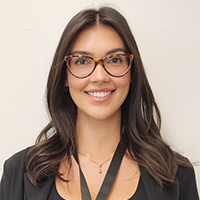
Jay and Sari Sonshine Centre, University Health Network and Krembil Brain Institue, Canada
Service development: Safe and inclusive patient involvement: Embedding lived experience in health policy and advocacy
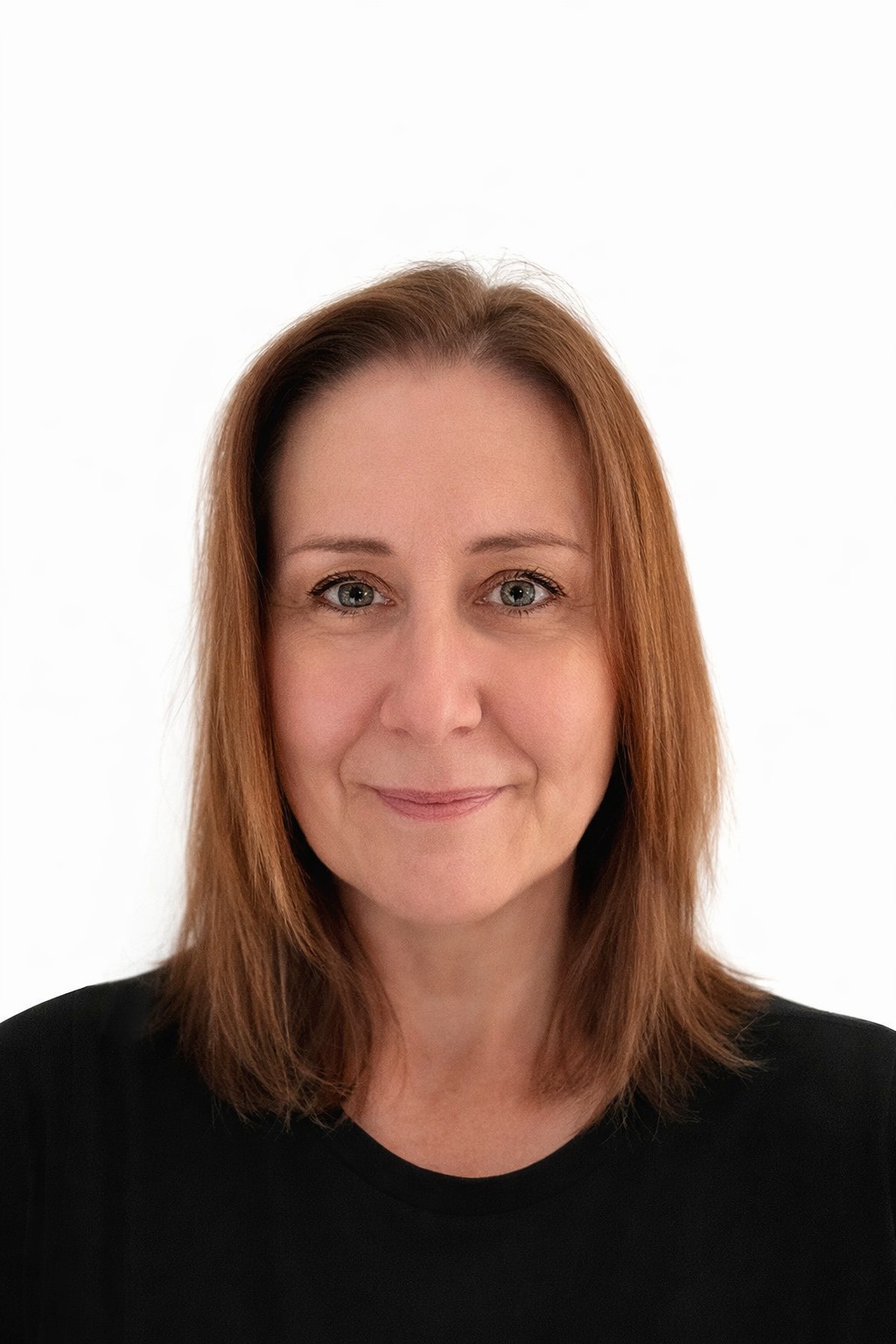
Stroke Association, United Kingdom
Service development: Sex and intimacy after stroke: developing an education package for healthcare staff
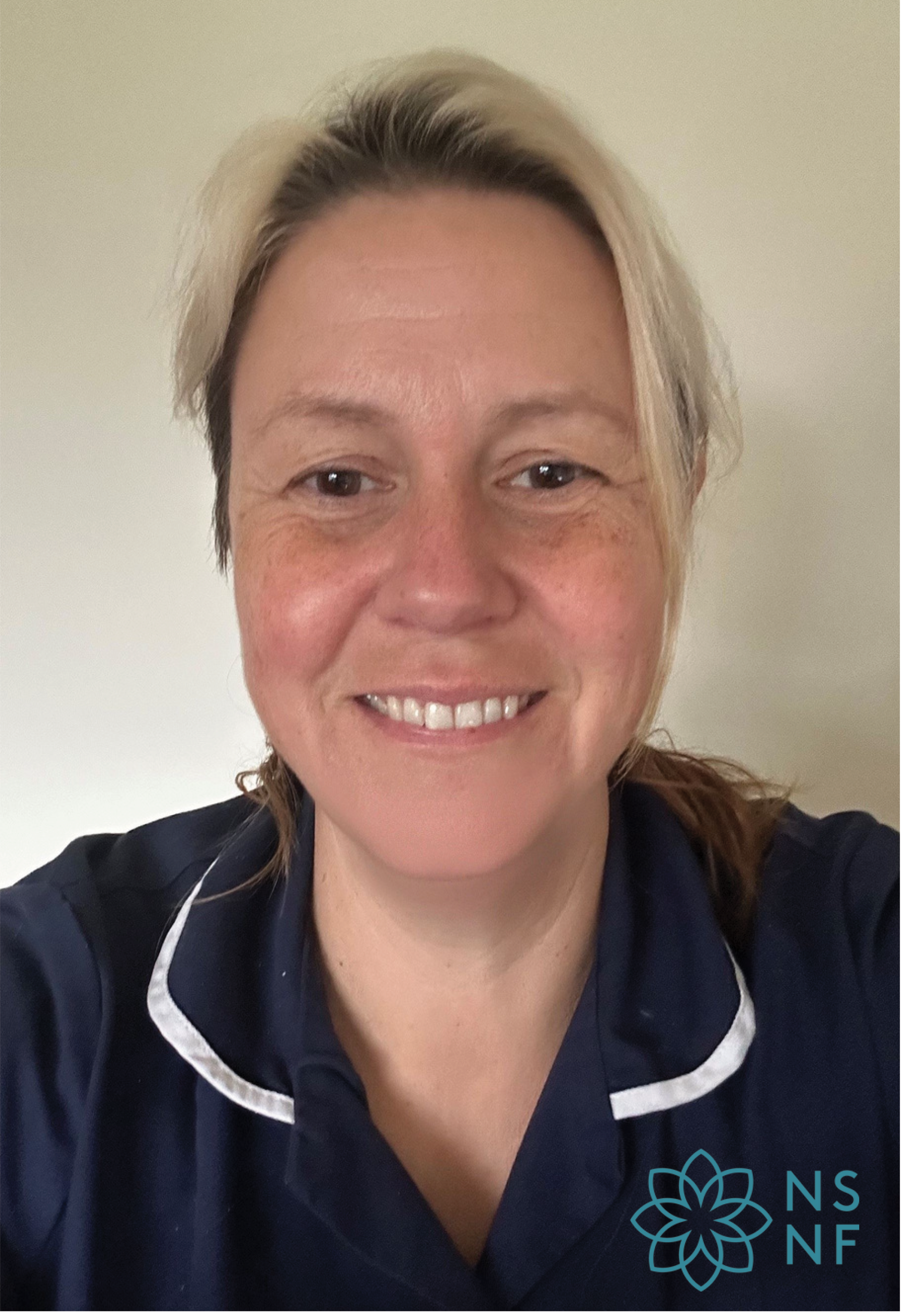
Community Rehabilitation Nurse Specialist and Chair of the National Stroke Nursing Forum (NSNF), United Kingdom
11:30 - 12:00
REFRESHMENTS, EXHIBITION & POSTER VIEWING
Foyer
12:00 - 12:30
Closing remarks
T1 / T2
University Ss Cyril and Methodius, North Macedonia
Associate Professor Nicola Hancock
University of East Anglia, UK
12:30 - 16:30