
- Day One
- Day Two
Monday 8 March 2027 Metropolo Kraków, Kraków
08:00 - 08:45
REGISTRATION, REFRESHMENTS, EXHIBITION & POSTER VIEWING
08:55 - 09:00
Welcome from the programme committee chairs
University Ss Cyril and Methodius, North Macedonia

Clinical Lecturer, Cyprus University of Technology, Cyprus
09:00 - 09:30
Opening from the host country
Chair: Professor Jacek Rożniecki
Medical University of Łódź, Poland
Stroke Care in Poland: Achievements and Challenges
Institute of Psychiatry and Neurology, Poland
Life After Stroke: A Caregiver's Perspective
Carer, Poland
09:30 - 10:45
Plenary: Beyond acute stroke care: Advancing seamless transitions across healthcare settings
Discover how to bridge the gaps in care after stroke. Join speakers from across Europe to explore integrated pathways, case management, stroke navigation and digital tools. Gain insights from evidence and practical implementation lessons, and discover how policy can support smoother transitions from hospital to community for people after stroke.
Chair: Eugene Tang
Newcastle University, UK

Chair: Diana Wong Ramos
Stroke survivor, Portugal
The long road to Implementing a stroke pathway: From standards to sustainable transition of care
The Stroke Foundation, Germany
Long-term follow-up after stroke: Standardised assessment and rehabilitation in Sweden
Professor Katharina Stibrant Sunnerhagen
University of Gothenburg, Sweden
Community stroke services and recovery coordination: The UK experience
Professor Dame Caroline Watkins
University of Lancashire, UK
10:45 - 11:15
REFRESHMENTS, EXHIBITION & POSTER VIEWING
11:15 - 12:15
Parallel: Spasticity after stroke: What works and what still fails?
What works in managing spasticity after stroke, and where are we still falling short? Join experts and a stroke survivor to explore treatment, rehabilitation and what matters most to patients. Discover how combining clinical expertise with lived experience can help improve comfort, independence and participation in everyday life after stroke.
Chair: Maja Bozhinovska
North Macedonia
Post-stroke spasticity: From recognition to effective treatment
Professor Iwona Sarzyńska-Długosz
Institute of Psychiatry and Neurology, Poland
Beyond muscle tone: Person-centred rehabilitation for meaningful daily life
University of Physical Education, Poland
Living with spasticity: What matters to stroke survivors?
Person with lived experience, Portugal
11:15 - 12:15
Parallel: Returning to work after stroke: are we doing enough to help people get back to meaningful employment?
How can we better support people returning to work after stroke? Explore evidence from the RETAKE trial and ODYSSEY study alongside lived experience. Discover how vocational rehabilitation, cognition and workplace support shape employment outcomes, and join the discussion on overcoming barriers to help stroke survivors successfully return to meaningful work.

Chair: Dr Jennifer Crow
Imperial College London, UK
Helping people return to work: Evidence from the RETAKE trial
University of Nottingham, UK
Cognition and employment: Lessons from the European ODYSSEY study
Returning to work when nobody knows how to help
Stroke Survivor, UK
11:15 - 12:15
Workshop: 'Not just flipping open a screen': co-creating priorities to drive successful digital approaches to providing high dose high intensity rehabilitation
How can digital technology help deliver meaningful, intensive rehabilitation at home after stroke? Go beyond simply switching on a screen in this interactive workshop. Explore what people need to sustain practice, share ideas and help shape inclusive digital approaches that support higher doses of rehabilitation and better life after stroke.
Chair: Associate Professor Nicola Hancock
University of East Anglia, UK
Chair: Stacie Broek
Person with lived experience, Switzerland
By application only - details TBC.

Associate Professor Nicola Hancock
University of East Anglia, UK
University of Zurich, Switzerland
University of Loughborough, UK

Person with Lived Experience, Switzerland
12:15 - 13:45
LUNCH, EXHIBITION & POSTER VIEWING
13:45 - 15:00
Plenary: Stronger together- patient and public involvement in stroke research
How can we make partnership with people affected by stroke truly meaningful? Explore research findings, honest perspectives from guideline development and the new EMBED framework. Discover practical ways to move beyond tokenism, overcome barriers and make stroke research more accessible, inclusive and shaped by those whose lives it affects most.
Chair: Associate Professor Frances Horgan
Royal College of Surgeons, Ireland
Chair: Stacie Broek
Person with lived experience, Switzerland
Absent or tokenistic: Results of a scoping review of patients as partners in published stroke research

Associate Professor Olive Lennon
The National Rehabilitation Hospital, Ireland
Warts and all: Involving people affected by stroke in German guideline development – TheMoS
Physiotherapie Südwest Berlin, Germany
Lived Experience, Germany
Developing the EMBED framework and toolkit for including people with stroke as partners in stroke research
Glasgow Caledonian University, UK
15:00 - 15:30
REFRESHMENTS, EXHIBITION & POSTER VIEWING
15:30 - 16:30
Parallel: The identification of anxiety, depression and suicidality in people with post-stroke aphasia: Using accessible, interprofessional approaches
Mental health challenges such as anxiety, depression and suicidal thoughts are common after stroke, particularly for people with aphasia. This symposium brings together lived experience, research and clinical practice to explore new approaches to identifying and assessing mental health difficulties, helping professionals provide earlier, more effective and person-centred support.

Chair: Niall Broomfield
University of East Anglia, UK
Living with aphasia after stroke: the emotional and mental health effects, and determining the thematic research priorities
Lived experience, France
Identifying anxiety, depression and suicidality in people with aphasia: the University of East Anglia interprofessional model
University of East Anglia, UK
Mental health needs in aphasia
Uppsala University, Sweden
15:30 - 16:30
Parallel: Young stroke matters: Meeting the needs of a new generation
Young adults who experience stroke face unique challenges that are often overlooked by traditional services. This session will explore new research, survivor-led advocacy and innovative international initiatives, including the Erasmus+ ARYAS project and Global Young Stroke Alliance, highlighting practical solutions to improve support, recovery and quality of life for younger stroke survivors.
Chair: Katie Chappelle
Stroke Association, UK
Building age-relevant and accessible resources for young adults with stroke
Cyprus University of Technology, Cyprus
Global young stroke alliance: Voices, aims and aspirations

Medical field and Lived Experience, Norway
Unique rehabilitation needs of young people after stroke
University of Antwerp, Netherlands
15:30 - 16:30
Parallel: TBC
16:30 - 16:35
Return to plenary room
16:35 - 18:00
Plenary: Oral abstract sessions
Showcase of the highest scoring abstracts submitted to ELASF 2027. Presentations will cover lived experience, service delivery and scientific research, highlighting new evidence, practical innovations and the voices of people affected by stroke.

Chair: Grethe Lunde
Stroke survivor, Norway

Chair: Marianne Klink
University of Iceland, Iceland
Lived experience 1: From survivor to partner: The value of lived experience in shaping life after stroke research
Lived experience, UK
Lived experience 2: Life after stroke at 26: From survivor to advocate
Lived Experience, UK
Service delivery 1: TBC
Service delivery 2: TBC
Scientific 1: TBC
Scientific 2: TBC
Scientific 3: TBC
18:00 - 19:30
Connect and unwind - Evening networking reception
Join fellow delegates for informal networking over drinks and canapés at the close of day one.
Tuesday 9 March 2027 Metropolo Kraków, Kraków
08:30 - 09:30
COFFEE, EXHIBITION & POSTER VIEWING
09:30 - 10:30
Parallel: Moving forward: Exercise, Sports and rehabilitation in life after stroke
Exercise is a powerful tool in stroke recovery, supporting brain health, physical function and long-term wellbeing. This session will explore the latest evidence on physical activity and neurorehabilitation, with a special focus on resistance training, demonstrating how tailored, evidence-based approaches can enhance recovery, independence and quality of life after stroke.
Chair: Christina Franzisket
The Stroke Foundation, Germany
Overcoming stroke and returning to the world of sports
Stroke Survivor, Germany
Exercise as a driver of brain recovery: Insights from sports neurology for life after stroke
University Paderborn and Mass General Brigham, Germany
Resistance training in stroke recovery
Cardiff University School of Healthcare Sciences, UK
09:30 - 10:30
Parallel: Driving recovery: Supporting safe return to driving and community mobility after stroke across Europe
For many stroke survivors, driving is a vital step towards regaining independence, confidence and participation in everyday life. This session will explore assessment, rehabilitation and driving regulations across Europe, while presenting new evidence showing how some people with post-stroke visual field loss can safely return to driving with the right support.

Chair: Dagmar Souckova
Na Homolce Hospital, Czech Republic
Assessing medical fitness to drive after stroke: From clinical assessment to on-road evaluation
Fitness to drive after stroke: Navigating European assessment regulation and rehabilitation
Oxford Brookes University, UK
Returning to driving after stroke with visual field loss: Evidence, innovation and lived experience
Person with lived experience, UK
09:30 - 10:30
Parallel: Post-stroke dysphagia and secondary stroke prevention nutrition
Eating and drinking are central to health, recovery and quality of life after stroke, yet swallowing difficulties can make nutrition a daily challenge. This session will explore practical, person-centred approaches to dysphagia and nutrition, showing how safer swallowing, healthy eating and individualized support can work together to improve long-term wellbeing after stroke.
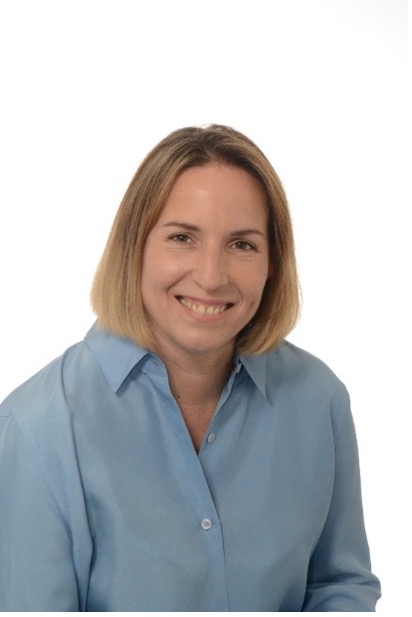
Chair: Associate Professor Emilia Michou
University of Patras, Greece
Evidence-Based Acute and Long-term Management in Post stroke dysphagia
Associate Professor Emilia Michou
University of Patras, Greece
Personal Experiences - Patients' videos
Secondary Stroke Preventative Nutrition
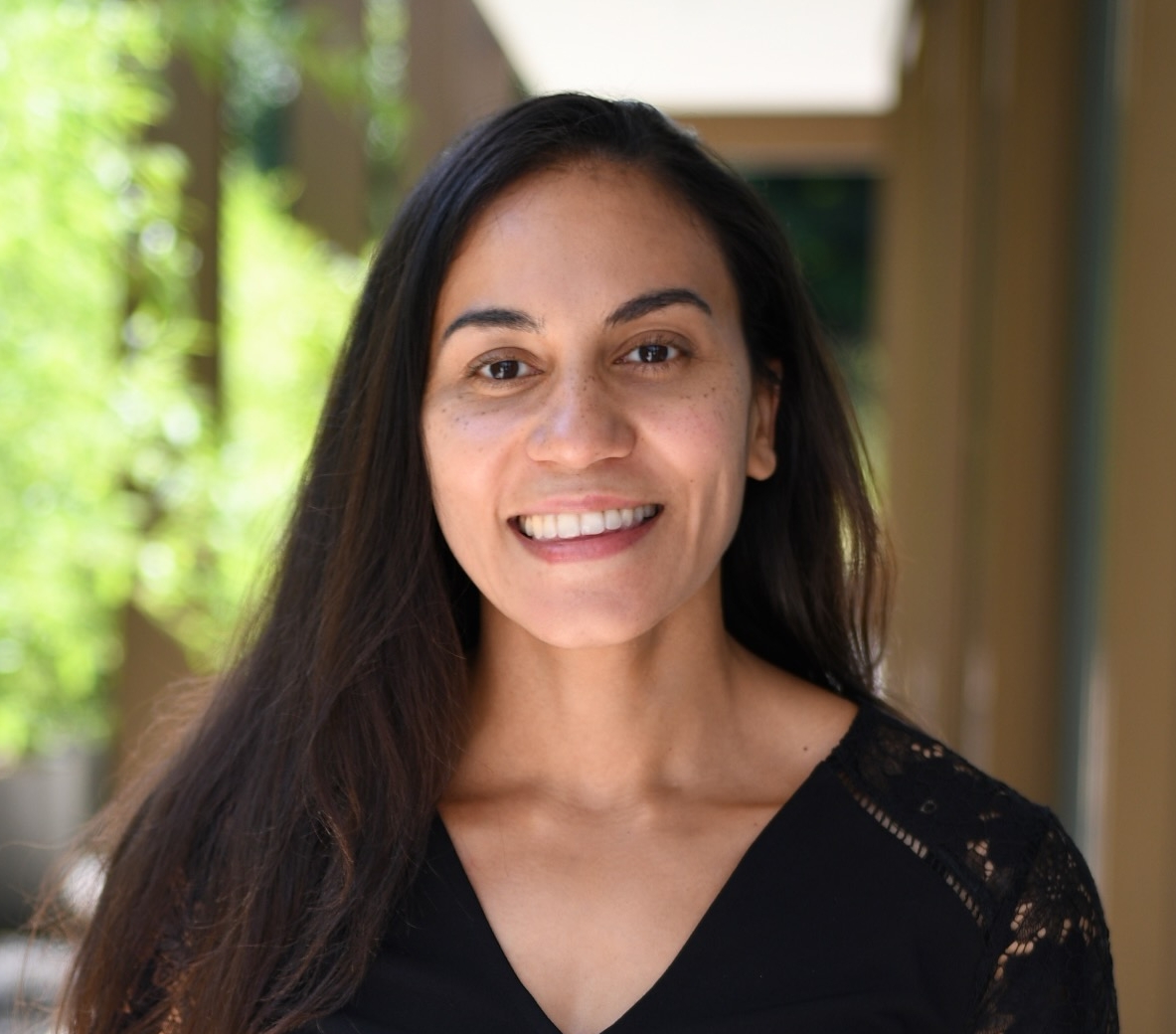
Lake Lucerne Institute, Switzerland
10:30 - 11:00
REFRESHMENTS, EXHIBITION & POSTER VIEWING
11:00 - 12:15
Plenary 4: Addressing social determinants to improve life after stroke
Recovery after stroke depends on more than medical care alone. This session will explore how factors such as income, housing, education, employment and social support shape life after stroke, highlighting the latest evidence and practical solutions to reduce inequalities and deliver more equitable, person-centred care across the recovery journey.

Chair: Professor Susanne Guidetti
Karolinska Institutet, Sweden

Chair: Associate Professor Hayley Wright
Coventry University, UK
Scientific Evidence

Professor of Nursing, Dalarna University, Sweden
Karolinska Institutet, Sweden
From evidence to action: Best practices for addressing social needs after stroke
Freno al Ictus Foundation, Spain
Beyond rehabilitation: Living with the social impact of stroke
Stroke survivor, Spain
12:15 - 12:30
Closing session
13:00 - 16:30